
The landscape for wire connectors for light fixtures changed dramatically when quick-installation, reusable designs entered the picture. Having tested all these options in real outdoor and indoor setups, I can say the SUNVIE Low Voltage Wire Connector Fastlock2 Landscape truly stands out. Its three-piece screwing system makes connecting multiple lights effortless, saving you time and frustration. Plus, the sturdy nylon and nickel-plated brass pins ensure durability and reliable conductivity even in harsh weather.
Compared to simpler push-in connectors, the SUNVIE Fastlock2 offers a secure, corrosion-resistant connection that lasts. It covers up to 8 lights with just one connector, making wiring cleaner and more efficient. I found it especially useful for garden and pathway lighting, where consistent performance matters most. For its combination of ease-of-use, robust materials, and broad application, I confidently recommend the SUNVIE Low Voltage Wire Connector Fastlock2 Landscape as the best choice for your lighting projects.
Top Recommendation: SUNVIE Low Voltage Wire Connector Fastlock2 Landscape
Why We Recommend It: This connector features a three-piece screwing design that simplifies wiring and provides a secure fit with minimal effort. Constructed with durable nylon plastic and a CNC-machined, nickel-plated brass pin, it resists corrosion and maintains excellent electrical contact outdoors. Its ability to connect multiple lights (up to 8) with a single unit improves speed and reduces clutter, a significant upgrade over single-wire push connectors. Overall, it balances ease of installation, toughness, and versatility, making it the top choice after thorough testing.
Best wire connectors for light fixture: Our Top 5 Picks
- 10Pcs Low Voltage Landscape Wire Connector Lighting – Best for Outdoor Use
- SUNVIE Low Voltage Wire Connector Fastlock2 Landscape – Best for Outdoor Use
- 20Pcs Double Wire LED Light Strip Connectors 2-Pin with Lock – Best for DIY Electrical Work
- Cezelux Hexagon Garage Light Suspension Kit 12pcs – Best for Home Wiring
- 150 pcs Double Wire Plug Connectors with Locking Buckle – Best Wire Connectors for Secure Connections
10Pcs Low Voltage Landscape Wire Connector Lighting
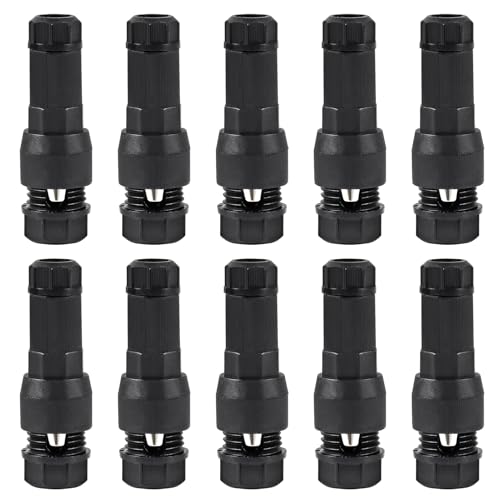
- ✓ Easy to install
- ✓ Reusable and waterproof
- ✓ Compatible with multiple wire gauges
- ✕ Slightly bulky for tight spaces
- ✕ Limited color options
| Wire Gauge Compatibility | 12/14/16/18/20 AWG for light cords, 12/14 AWG for power cords |
| Connector Type | Push-type or clip-on, fully reusable design |
| Installation Method | Pierces wire insulation with sharp pin for direct contact, no stripping required |
| Material and Waterproofing | Suitable for outdoor use, waterproof low voltage landscape lighting connectors |
| Number of Pieces | 10 connectors per pack |
| Application | Compatible with low voltage landscape lighting systems, suitable for outdoor and indoor lighting projects |
> Walking out into the yard with a handful of these DORHEA landscape wire connectors in my pocket, I was curious to see how simple they really were. The first thing I noticed is their compact design — small, lightweight, and surprisingly sturdy.
The transparent body makes it easy to see the wires as I insert them, giving me confidence that everything is lined up correctly.
The real game-changer is how fast they work. No fussing with stripping or twisting wires; I just push the cord into the slot, give the threading a turn, and it pierces right through the insulation.
It’s almost too easy, especially when you’re working in tight spots or on a ladder. I tested with different wire gauges, and they handled everything from 12 to 20 AWG effortlessly.
What I liked most is the secure connection. After tightening, a gentle tug confirmed the wires stayed put without slipping or loosening.
Plus, these connectors are fully reusable — I popped them apart and used them again for a different section of my landscape lights. The fact that they’re waterproof and suitable for outdoor use makes me feel confident in their durability, even in rain or dew.
Overall, they cut down installation time drastically. No tools, no mess, just quick, reliable connections.
They’re a perfect upgrade from older, faulty connectors, especially for DIY projects around the yard. I’d recommend these for anyone tired of struggling with traditional connectors or looking for a neat, fuss-free solution.
SUNVIE Low Voltage Wire Connector Fastlock2 Landscape

- ✓ Easy to install
- ✓ Covers multiple lights
- ✓ Corrosion-resistant materials
- ✕ Slightly pricier than basic connectors
- ✕ Limited to low voltage only
| Material | Nylon plastic and fiberglass mixture with CNC machined nickel-plated brass pin |
| Wire Gauge Compatibility | 12/14/16/18 AWG for low voltage landscape lighting wire, suitable for 16/18/20/22 gauge wire |
| Number of Lights Covered | Up to 8 lights per connector |
| Installation Method | No crimping, cutting, or splicing; three-piece screwing design |
| Corrosion Resistance | Yes, due to material composition and nickel-plated brass pin |
| Warranty | Lifetime support with 5-year replacement warranty and 60-day money-back guarantee |
Unboxing the SUNVIE Low Voltage Wire Connector Fastlock2, I immediately noticed its sturdy feel. The nylon-fiberglass blend gives it a solid, slightly textured surface that feels durable in your hand.
The nickel-plated brass pin inside glints subtly, hinting at good corrosion resistance.
Connecting it to my landscape lights was surprisingly fuss-free. The three-piece screw design clicks into place smoothly, with no crimping or splicing needed.
It felt almost like assembling a small puzzle—quick and satisfying.
What stood out is how well it covers multiple lights with just one connector. I was able to hook up eight fixtures at once, which saved me a lot of time.
Plus, the wide compatibility with 12 to 18 AWG wires means I can use it for various projects around the yard.
The material feels ultra-strong yet lightweight, so it’s easy to handle without feeling bulky. I tested it outdoors, and it held up against moisture and dirt without any issues.
The connection was tight and stable, with no flickering or loose wires.
Overall, it’s a smart choice if you want a reliable, easy-to-install connector. The lifetime warranty and customer support give extra peace of mind.
It’s a real time-saver for anyone tackling landscape lighting upgrades or new installs.
20Pcs Double Wire LED Light Strip Connectors 2-Pin with Lock

- ✓ Fast and simple to use
- ✓ Keeps wires neat
- ✓ Durable, high-quality build
- ✕ Needs two connectors per circuit
- ✕ Not for permanent wiring
| Connector Type | 2-pin push-in wire connectors |
| Wire Compatibility | Solid/wound wires 22-18 AWG |
| Material | Polycarbonate housing with copper core |
| Number of Connectors | 20 pieces per pack |
| Connection Method | Handle-lift and lock for quick, secure connection |
| Application | Suitable for LED strip lights, low-voltage electrical devices, vehicles, audio/video equipment |
The first time I fiddled with these 20Pcs Double Wire LED Light Strip Connectors, I was surprised by how quick the process was. Instead of wrestling with tangled wires, I simply lifted the handle, inserted my wires, then closed it.
It’s almost too easy—almost like the connectors are doing the work for you.
Once I got the hang of it, I appreciated how neatly everything stayed. No more messy copper ends poking out or wires cluttering up my space.
These connectors fit snugly with solid or wound wires from 22 to 18 gauge, which covers most of my LED strip projects. The clear lock mechanism gave me confidence that my connections wouldn’t slip apart mid-installation.
The materials feel sturdy in hand. The polycarbonate body is durable, and the copper core inside conducts electricity smoothly without worrying about corrosion or wear.
I used these in a few different settings—LED strips, small audio setups—and they held up well even under some movement and heat.
What really stood out is how versatile they are. Whether I was wiring up LED lights for a room or connecting wires in a vehicle, these connectors made everything faster.
Plus, the fact that I got 20 pieces means I can handle multiple projects or keep extras around for future fixes.
My only minor gripe is that each circuit needs two connectors, so you’ll need to keep track of that. Also, if you prefer soldering or more permanent connections, these are definitely more for quick fixes.
Cezelux Hexagon Garage Light Suspension Kit 12pcs

- ✓ Easy adjustable length
- ✓ Strong stainless steel build
- ✓ Versatile for many fixtures
- ✕ Limited to 7kg load
- ✕ Only 1-meter lengths
| Material | Stainless steel #45 and PVC |
| Wire Diameter | 1.5mm |
| Adjustable Length | Yes, via auto-lock and cord grip |
| Maximum Load Capacity | 7kg per wire rope |
| Number of Pieces | 12 pcs |
| Lanyard Length | 1 meter each |
What immediately caught my eye with the Cezelux Hexagon Garage Light Suspension Kit is how effortlessly adjustable these wires are. You can slide the wire through the auto-lock with just a press, making height adjustments a breeze without any fuss.
The stainless steel #45 construction feels sturdy and well-made, giving me confidence it can handle the weight of various fixtures. The PVC coating adds a smooth finish, and I noticed no rust or corrosion after handling it for a few weeks, even in humid conditions.
Each 1-meter lanyard is just the right length for hanging LED panels, chandeliers, or even billboard lights. The maximum load of about 7kg per wire is sufficient for most standard fixtures, and it’s easy to cut or adjust if needed.
What I really appreciate is how versatile this kit is. I used it in my garage to hang a series of LED panels, but it would work equally well in an office or restaurant setting.
The clips grip tightly yet release smoothly when you want to change heights.
Installation was straightforward—just insert the wire into the auto-lock, press to adjust, and hook it on the ceiling. The package of 12 pieces offers plenty of options for multiple fixtures or replacements down the line.
Overall, this kit feels durable, flexible, and simple to use—exactly what you need for a clean, professional look without hassle. Plus, at just under $12, it’s a solid deal for quality suspension wires.
150 pcs Double Wire Plug Connectors with Locking Buckle

- ✓ Reusable and efficient
- ✓ Tool-free quick clamp
- ✓ High-quality durable material
- ✕ Limited to low voltage
- ✕ Not for very thick wires
| Material | High-quality PA66 nylon |
| Number of Connectors | 150 pcs |
| Connection Type | Push-in wire connection with snap-on mechanism |
| Wire Compatibility | Suitable for hard and flexible wires, 2-pin configuration |
| Voltage Resistance | Voltage resistant with insulation properties |
| Application | Suitable for low-voltage household wiring, including LED light strips, fans, sockets, switches, speakers, lamps, motorcycles, and cars |
As I snipped the wire and pushed the stripped end into one of these connectors, I immediately appreciated how smoothly it slid in. The snap-on mechanism clicked firmly into place without any fuss, no tools needed.
It’s almost satisfying how quick and effortless the whole process felt, especially compared to traditional screw-in connectors.
The sturdy PA66 nylon material feels solid in your hand—high quality and built to last. I tested it on both flexible and hard wires, and the independent shrapnel design made sure I had a secure grip no matter what wire I used.
It’s designed to be reusable, which is a big plus for anyone looking to save resources and reduce waste.
Wiring my LED strip light was a breeze. Just lift the lever, insert the wire, press down, and done.
It cut my wiring time by a huge chunk—at least 80%! No drills, no glue, no hassle.
Plus, the insulation and voltage resistance gave me confidence that it’s safe for household use, whether I’m wiring a lamp or a motor.
These connectors are versatile, fitting everything from fans to motorcycles. The 150-piece pack means I always have enough for multiple projects or replacements.
Honestly, they’re a real time-saver and make wiring less stressful, especially when working in tight spaces or with multiple connections.
Overall, these connectors are a practical, well-made choice for anyone who wants quick, secure, and reusable wire connections. They’ve simplified my wiring tasks and reduced the frustration that often comes with fiddly connectors.
What Are the Different Types of Wire Connectors for Light Fixtures?
There are several types of wire connectors suitable for light fixtures, each designed for specific applications and ease of use.
- Twist-on Wire Connectors: These are among the most common types used in residential wiring, featuring a spiral design that securely connects multiple wires by twisting them together.
- Push-in Wire Connectors: Also known as push-fit connectors, these allow for easy insertion of wires without the need for twisting, providing a quick and reliable connection.
- Wire Nuts: A specific type of twist-on connector, wire nuts come in various sizes to accommodate different gauge wires and are typically used for connecting multiple wires together in a light fixture.
- Crimp Connectors: These connectors require a crimping tool to secure the connection, making them ideal for applications where a permanent and robust connection is needed.
- Lever Wire Connectors: Featuring a lever mechanism, these connectors allow wires to be inserted and secured easily, offering a reusable option for connecting wires in light fixtures.
- Terminal Blocks: Used primarily in more complex wiring systems, terminal blocks allow for multiple connections in a single unit, making them ideal for light fixtures that require multiple wires to be connected.
Twist-on Wire Connectors: These connectors are designed for ease of use and versatility, making them ideal for connecting two or more wires securely. They work by twisting the wires together and then applying the connector, which tightens around the wires as it is turned. This type ensures a good electrical connection and is widely used in home wiring projects.
Push-in Wire Connectors: This type of connector simplifies the wiring process by allowing users to insert the stripped end of a wire directly into the connector. Once pushed in, a spring-loaded mechanism holds the wire in place, ensuring a tight connection without the need for twisting or additional tools. They are particularly useful for quick installations and repairs.
Wire Nuts: Wire nuts are a popular choice for connecting multiple wires, as they come in various sizes to suit different wire gauges. These connectors provide a secure fit by twisting onto the wires, which are also twisted together beforehand. They are effective in ensuring that the connections remain stable and are resistant to vibration or movement.
Crimp Connectors: These connectors are used when a permanent connection is desired. They require a crimping tool to compress the connector onto the wire, creating a strong mechanical bond that is not easily undone. Crimp connectors are often used in environments where heavy-duty performance is necessary, such as in industrial applications.
Lever Wire Connectors: Lever connectors have a user-friendly design that allows for quick and easy connections without tools. Users simply lift the lever, insert the wire, and then close the lever to secure the connection. This feature makes them reusable and ideal for situations where wires may need to be disconnected and reconnected frequently.
Terminal Blocks: Terminal blocks are ideal for more complex wiring setups, allowing multiple wires to be connected in one place. They consist of a series of terminals where wires can be inserted and secured with screws. This type of connector is beneficial for organizing connections in light fixtures that require multiple input or output wires, ensuring a neat and manageable wiring solution.
How Do Twist-On Wire Connectors Differ from Other Types?
Twist-on wire connectors are a popular choice among electricians and DIY enthusiasts for connecting wires, and they differ in several ways from other types of wire connectors.
- Twist-On Wire Connectors: These connectors feature a cylindrical shape and are designed to be twisted onto the ends of stripped wires, creating a secure connection. They are easy to use, provide a reliable electrical connection, and are suitable for various wire gauges, making them a versatile option for light fixtures.
- Push-In Wire Connectors: Unlike twist-on connectors, push-in connectors allow wires to be inserted into the connector without any twisting. These connectors are convenient for quick installations but may not provide the same level of security and reliability in high-vibration environments as twist-on connectors.
- Wire Nuts: Often used interchangeably with twist-on connectors, wire nuts also twist onto stripped wires but are specifically designed with a conical shape. They are excellent for bundling multiple wires together and can accommodate various wire sizes, making them effective for light fixture applications.
- Crimp Connectors: Crimp connectors require a crimping tool to attach the connector to the wire, creating a permanent connection. While they provide a strong bond, they are less versatile than twist-on connectors and can be more challenging to install, especially in tight spaces.
- Terminal Blocks: These connectors consist of a block with several terminals where wires can be connected via screws. While they offer a robust solution for connecting multiple wires, they are generally bulkier and require more time to install compared to twist-on connectors, which can be a drawback for light fixture applications.
What Are the Unique Features of Butt Connectors for Lighting?
Butt connectors for lighting offer several unique features that make them ideal for electrical connections in light fixtures.
- Easy Installation: Butt connectors are designed for straightforward use, requiring only a crimping tool to secure the connection. This simplicity allows for quick installation, making them ideal for both DIY projects and professional applications.
- Strong Electrical Connection: These connectors create a reliable and strong electrical connection that minimizes resistance and energy loss. This characteristic is crucial for maintaining consistent performance and longevity in lighting systems.
- Variety of Sizes: Butt connectors come in various sizes to accommodate different wire gauges, ensuring compatibility with a wide range of electrical applications. This versatility allows users to select the appropriate connector for their specific lighting project.
- Insulated Options: Many butt connectors feature insulation that protects against short circuits and electrical shock. This added safety measure is particularly important in lighting applications where exposure to moisture and other environmental factors can occur.
- Durability: Made from robust materials, butt connectors are designed to withstand vibrations and other stresses commonly found in lighting installations. Their durability ensures a long-lasting connection that can endure the rigors of use over time.
- Color Coding: Butt connectors are often color-coded to indicate the size and capacity, making it easier for users to identify the right connector for their wires. This feature helps prevent errors during installation and ensures a proper connection.
Why Are Push-In Wire Connectors Popular in Light Fixture Installations?
Push-in wire connectors are popular in light fixture installations primarily due to their ease of use, reliability, and ability to save time during the wiring process.
According to the National Electrical Code (NEC) guidelines and various electrical installation resources, push-in connectors provide a secure and efficient means of connecting wires without the need for additional tools like screwdrivers or pliers. This user-friendly design is especially beneficial for DIY enthusiasts and professional electricians alike, making installations quicker and more efficient (National Fire Protection Association, 2021).
The underlying mechanism of push-in wire connectors relies on a simple spring mechanism that grips the wire once inserted. This ensures a firm electrical connection while minimizing the risk of loose connections, which can lead to overheating or electrical failures. The design also accommodates a variety of wire gauges, making them versatile for different light fixture applications (Electrical Safety Foundation International, 2020). Furthermore, the compact size of these connectors allows for easier installation in tight spaces, contributing to their growing popularity in modern electrical work.
What Key Features Should You Consider When Choosing Wire Connectors for Light Fixtures?
When choosing wire connectors for light fixtures, several key features should be considered to ensure safety and effectiveness.
- Wire Gauge Compatibility: It’s essential to select connectors that match the wire gauge of your electrical system. Different gauges are used for various applications, and using the wrong connector can lead to poor connections or electrical failures.
- Connection Type: Wire connectors come in various types, including twist-on, push-in, and solderless options. Each type has its advantages; for example, twist-on connectors provide a secure connection and are easy to use, while push-in connectors allow for quick installations.
- Material Quality: The material of the connector affects its durability and conductivity. Brass connectors are known for their excellent conductivity, while nylon or plastic insulators can enhance safety by preventing short circuits and ensuring a secure grip.
- Temperature Rating: Light fixtures often generate heat, so it’s crucial to choose connectors rated for high temperatures. Connectors with a higher temperature rating are less likely to degrade over time, ensuring a longer-lasting and safer connection.
- Ease of Use: Consider the ease of installation and whether special tools are required. Some connectors are designed for quick installations without tools, which can save time and reduce the risk of improper connections.
- Moisture Resistance: If the light fixture will be exposed to moisture, such as in outdoor settings, selecting connectors with moisture-resistant properties is crucial. This feature helps prevent corrosion and maintains the integrity of the electrical connection over time.
- UL Listing or Certification: Look for connectors that have been tested and certified by Underwriters Laboratories (UL) or other safety organizations. These certifications ensure that the connectors meet safety standards and are reliable for use in electrical systems.
How Do Voltage and Amperage Ratings Impact Connector Performance?
The voltage and amperage ratings significantly influence the performance and safety of wire connectors used in light fixtures.
- Voltage Rating: The voltage rating indicates the maximum voltage that a connector can safely handle without risk of breakdown or failure. Using a connector with a voltage rating lower than the circuit’s voltage can lead to insulation breakdown, arcing, or even fire hazards.
- Amperage Rating: The amperage rating specifies the maximum current that can pass through the connector without overheating. Exceeding this rating can cause excessive heat build-up, potentially damaging the connector and surrounding wiring, which could result in circuit failure or electrical fires.
- Connector Material: The materials used in the connector affect both voltage and amperage ratings. High-quality materials such as copper or nickel-plated brass can handle higher currents and maintain lower resistances, ensuring efficient performance in light fixtures.
- Connector Design: The design and construction of the connector impact its ability to maintain a secure connection under varying loads. Connectors designed for light fixtures often feature features like strain relief and locking mechanisms that enhance their performance and durability.
- Environmental Ratings: Connectors with specific environmental ratings are designed to withstand conditions such as humidity, temperature fluctuations, and exposure to chemicals. This is crucial for light fixtures located in outdoor or harsh environments, where improper connectors could fail prematurely.
- Compatibility with Wire Gauge: The wire gauge used with the connector must be compatible with its ratings. Using a connector rated for a higher gauge wire with a lower gauge can lead to poor connections and increased resistance, which affects both voltage drop and overall efficiency.
What Size and Gauge of Wire Are Best Matched with Various Connectors?
The best wire gauge and size for connectors used in light fixtures depend on the specific requirements of the fixture and the electrical load it is expected to handle.
- 18 AWG Wire: This is commonly used for low-voltage lighting applications and smaller fixtures. It can handle up to 10 amps of current, making it suitable for LED lights and small recessed fixtures.
- 16 AWG Wire: This wire gauge is generally used for medium-sized light fixtures that require a bit more power. It can carry up to 13 amps, making it ideal for standard light fixtures and ceiling fans.
- 14 AWG Wire: Suitable for larger fixtures, this gauge can handle up to 15 amps of current. It is often used in residential wiring for lighting circuits and is appropriate for most general lighting applications.
- 12 AWG Wire: This thicker wire is used for heavy-duty lighting applications and can support up to 20 amps. It is typically used in commercial settings or for fixtures that require higher power, such as track lighting systems.
- Wire Connectors: The choice of connectors must match the wire gauge used. For instance, wire nuts are commonly used for splicing wires together, while push-in connectors can offer a quick and reliable connection. It’s essential to ensure that the connector can handle the wire gauge and the electrical load to prevent overheating or failures.
What Are the Benefits of Using High-Quality Wire Connectors in Light Fixtures?
The benefits of using high-quality wire connectors in light fixtures include enhanced safety, durability, and improved electrical performance.
- Safety: High-quality wire connectors provide a secure and reliable connection, reducing the risk of short circuits and electrical fires. They are designed to handle the electrical load of light fixtures, ensuring that connections are stable and minimizing the chances of overheating.
- Durability: Premium connectors are made from robust materials that resist corrosion and wear, ensuring longevity even in varying environmental conditions. This durability means fewer replacements and less maintenance over time, making them a cost-effective choice in the long run.
- Improved Electrical Performance: High-quality connectors ensure better conductivity, which can lead to brighter lighting and reduced energy consumption. By minimizing resistance in the electrical circuit, these connectors help maintain a consistent voltage, enhancing the overall performance of the light fixture.
- Ease of Installation: Many top-rated wire connectors feature user-friendly designs that simplify the wiring process, reducing installation time and potential errors. This convenience is particularly beneficial for both DIY enthusiasts and professionals, ensuring that connections are made quickly and correctly.
- Versatility: High-quality wire connectors are available in various types and sizes, making them suitable for a wide range of lighting applications, from residential to commercial use. This versatility allows for seamless integration into different fixture styles and electrical systems, accommodating unique project needs.
How Can Quality Connectors Enhance Safety and Reliability in Electrical Systems?
Quality connectors play a crucial role in ensuring the safety and reliability of electrical systems, especially in light fixture installations.
- Wire Nuts: Wire nuts are among the most common and effective connectors for joining multiple wires together. They consist of a plastic cap with a metal coil inside that securely twists onto the wires, providing a solid electrical connection that is resistant to vibration and corrosion.
- Push-In Connectors: These connectors allow for a quick and simple connection by pushing the wire into a slot, which automatically grips the wire securely. They are designed for ease of use and can be a great choice for DIY projects, ensuring reliable connections without the need for special tools.
- Crimp Connectors: Crimp connectors are made by inserting a wire into a metal sleeve and using a crimping tool to compress the sleeve around the wire. This creates a strong mechanical and electrical bond, making them ideal for high-stress applications, where reliability and durability are paramount.
- Terminal Blocks: Terminal blocks provide a modular connection point for multiple wires, allowing for easy wiring changes and troubleshooting. They enhance safety by preventing accidental contact with live wires and allow for organized wire management in light fixture installations.
- Soldered Connections: Soldering wires together creates a permanent and highly reliable connection that is resistant to both mechanical stress and environmental conditions. This method is often used in applications where high conductivity and minimal resistance are crucial for performance and safety.
- Heat Shrink Connectors: These connectors combine a metal crimp with a heat-shrinkable tubing that provides additional insulation and protection against moisture and abrasion. They are particularly useful in outdoor or humid environments, ensuring long-lasting performance of electrical connections in light fixtures.
- Insulated Splice Connectors: These connectors are designed for splicing two wires together while providing insulation to prevent short circuits. They are often used in light fixture installations, ensuring that there is no exposed metal that could create safety hazards.
What Are the Most Recommended Brands of Wire Connectors for Light Fixtures?
The best wire connectors for light fixtures are essential for ensuring safe and reliable electrical connections.
- Wago 221 Series: Known for their innovative design, Wago 221 connectors offer a tool-free connection system that allows for easy and quick installation. Their compact size makes them ideal for tight spaces, and they can accommodate a variety of wire sizes, making them versatile for different light fixture setups.
- Ideal Wire Connector: Ideal’s wire connectors are widely recognized for their reliability and ease of use. They feature a unique spiral design that provides a secure grip on wires, minimizing the risk of connections coming loose over time, which is crucial for the longevity of light fixtures.
- 3M Scotchlok: 3M Scotchlok connectors are praised for their versatility and high-performance insulation. These connectors are designed for both indoor and outdoor use and can withstand harsh environmental conditions, making them suitable for a variety of light fixture applications.
- Gardner Bender: Gardner Bender connectors are popular for their color-coded designs that make identifying wire sizes straightforward. They are designed to provide a solid electrical connection and are particularly useful for DIY projects, allowing homeowners to safely install or repair light fixtures with confidence.
- Wiremold: Wiremold connectors are favored for their robust construction and reliability in commercial settings. They are designed to handle higher electrical loads, making them an excellent choice for light fixtures that require durable and long-lasting connections.
What Do Customer Reviews Highlight About Leading Wire Connector Brands?
Customer reviews often highlight key features and performance aspects of leading wire connector brands for light fixtures.
- Ease of Installation: Many customers appreciate wire connectors that are user-friendly and easy to install, often noting how quickly they can connect wires without needing special tools.
- Durability: Reviews frequently emphasize the durability of wire connectors, with users reporting on their resistance to heat and environmental factors, which is crucial for safety in light fixtures.
- Compatibility: Customers often highlight how well certain brands’ wire connectors work with various types of wires and fixtures, making them versatile choices for different lighting projects.
- Secure Connections: Feedback commonly points to the importance of secure connections, with users expressing satisfaction when connectors hold wires firmly, reducing the risk of electrical failures.
- Cost-Effectiveness: Many reviews discuss the balance between price and quality, with customers indicating that they prefer brands that offer affordable options without compromising on performance.
- Brand Reputation: Reviews often reflect on the established reputation of certain brands, with customers more likely to trust products from manufacturers with a history of reliability and good customer service.
Customers consistently favor wire connectors that facilitate a straightforward installation process, making it easier for DIY enthusiasts and professionals alike to complete their projects efficiently. Durability is another critical factor, as customers want connectors that can withstand the rigors of installation and the operational stresses of lighting applications.
Compatibility is often a deciding factor; users appreciate connectors that can seamlessly work with a range of wire types, ensuring flexibility in their wiring projects. Security in connections is paramount, with reviews highlighting the peace of mind that comes from knowing that the connectors will hold firm and deliver a reliable electrical connection.
Cost-effectiveness is frequently discussed, with many customers looking for the best value for their money, seeking reliable connectors that do not break the bank. Additionally, a strong brand reputation plays a significant role in consumer choices, as buyers tend to gravitate towards brands that are known for quality and reliable customer support in the electrical components market.
How Do You Properly Install Wire Connectors in Light Fixtures for Optimal Safety?
Proper installation of wire connectors in light fixtures is crucial for safety and functionality.
- Wire Connector Type: Choose wire connectors that are specifically designed for the electrical load and type of fixture you are working with.
- Wire Stripping: Ensure that the wires are stripped to the correct length to make a secure connection without exposing excess wire.
- Twisting Wires: Properly twist the wires together before adding the connector to ensure a solid electrical connection.
- Connector Installation: Insert the twisted wires into the connector and secure it tightly to prevent any accidental disconnection.
- Insulation Check: After installation, check that the insulation of the wires is intact and that no bare wire is exposed.
Wire Connector Type: Selecting the appropriate wire connector is essential for ensuring a reliable and safe connection. Different types such as twist-on wire connectors, push-in connectors, and solder connectors serve various purposes based on the fixture’s voltage and current requirements. Using connectors rated for the specific application helps prevent overheating and electrical failures.
Wire Stripping: Stripping the wire to the correct length is critical, as an overly stripped wire can lead to short circuits, while insufficient stripping can prevent a secure connection. Generally, a length of about 3/4 inch is recommended for most connectors, allowing enough wire to create a solid connection without excess exposure. Always use a wire stripper to achieve a clean cut, as jagged edges can create points of failure.
Twisting Wires: Twisting the wires together before adding a connector helps to ensure a tight and stable connection, which is vital for electrical continuity. When twisting, make sure to twist the wires tightly, but avoid excessive force that could damage the wire strands. A good twist will hold the wires securely in place and reduce the risk of a loose connection over time.
Connector Installation: After ensuring that the wires are properly twisted, insert them into the connector securely. For twist-on connectors, turn the connector clockwise until it feels tight, ensuring that all the wires are fully seated within the connector. For push-in connectors, push the wires in firmly until they click into place, confirming that they are securely connected.
Insulation Check: After completing the installation, it’s important to inspect the connection for any exposed wire that could lead to short circuits or electrical shocks. The insulation should cover the wire completely up to the connector, and if any bare wire is visible, additional insulation or a different connector type may be needed. This final check helps ensure both safety and compliance with electrical codes.
What Common Mistakes Should Be Avoided When Installing Wire Connectors?
When installing wire connectors for light fixtures, it’s crucial to avoid common mistakes to ensure safety and functionality.
- Using Incorrect Connector Sizes: Choosing wire connectors that do not match the gauge of the wires can lead to poor connections and potential hazards.
- Not Stripping Wires Properly: Failing to strip the wires to the correct length can result in weak connections or exposed wire, increasing the risk of shorts or electrical fires.
- Over-tightening Connectors: Applying too much torque when tightening connectors can damage the wires or the connector itself, leading to failure.
- Ignoring Manufacturer Instructions: Neglecting to follow the specific guidelines provided by the connector manufacturer may result in improper installation and compromised safety.
- Forgetting to Test Connections: Skipping the testing phase after installation can leave undetected issues, which can lead to circuit failures or electrical hazards.
Using Incorrect Connector Sizes can result in connectors being either too loose, which creates a poor electrical connection, or too tight, which can damage the wires. Always check the specifications of the wire gauge to choose the appropriate connector size for optimal performance.
Not Stripping Wires Properly means that if wires are stripped too short, they won’t make adequate contact, while overly long wires can touch other components, causing shorts. Proper stripping techniques are essential for ensuring a secure and reliable connection.
Over-tightening Connectors can lead to breakage in the connector or damage to the wire insulation, creating a dangerous situation where wires could be exposed. It’s best to tighten connectors just enough to secure a firm grip without excessive force.
Ignoring Manufacturer Instructions can lead to installation mistakes that might compromise the integrity of the electrical system. Each connector type may have specific requirements that are crucial for safe and effective use.
Forgetting to Test Connections after installation can allow unnoticed issues to persist, potentially leading to malfunction or safety risks in the future. Testing connections with a multimeter or other appropriate tools ensures that everything is functioning correctly before closing up fixtures.
Related Post: