
As sunshine and summer barbecues approach, having the *right* seafood for your charcoal grill makes all the difference. I’ve tested everything from delicate shrimp to juicy fish fillets, and honestly, the key is controlling heat and preventing sticking or overcooking. A good grilling accessory can turn seafood into a flavorful, hassle-free feast, especially when paired with ideal charcoal. Trust me, I’ve learned that reaching the perfect sear takes equipment designed for even heat and easy handling.
After comparing several options, I found that the UNCO BBQ Grill Basket, Folding Stainless Steel Portable offers the best balance of durability, size, and flexibility. Its 13 x 8.46-inch surface holds a good batch of seafood, while the lockable grid keeps delicate items in place. Plus, the stainless steel material is sturdy and easy to clean, making it a versatile choice for different grills and seafood types. This basket truly makes grilling seafood simpler and more enjoyable—an essential for any summer cookout!
Top Recommendation: UNCO BBQ Grill Basket, Folding Stainless Steel Portable
Why We Recommend It: This basket’s 430 food-grade stainless steel ensures long-lasting durability, and its lockable grid design prevents small seafood from slipping through. The size comfortably suits 2-3 servings, while the heat-resistant wooden handle keeps grilling safe and comfortable. Unlike thin mesh baskets, it resists deformation, and its compatibility with various grill types makes it highly versatile. All these features, tested firsthand, make it the best choice for flavorful, fuss-free seafood grilling.
Best seafood for charcoal grill: Our Top 5 Picks
- Flavors of Southeast Asian Grill Cookbook – Best for Exploring Seafood Flavors
- UNCO BBQ Grill Basket, Folding Stainless Steel Portable – Best Value
- The Bincho Grill Binchotan Charcoal 11 lbs – Japanese Grill – Best for Authentic Seafood Grilling
- WUWEOT Grill Basket, Vegetable Barbecue Basket, 15″ x 11″ – Best Premium Option
- MESTAEK Aluminum BBQ Grill Trays 20 Pack 13×8.6 Inches – Best for Easy Seafood Serving and Cleanup
Flavors of Southeast Asian Grill Cookbook

- ✓ Authentic Southeast Asian flavors
- ✓ Easy-to-follow recipes
- ✓ Beautiful, inspiring photos
- ✕ Assumes some ingredient knowledge
- ✕ Not beginner-friendly
| Brand | Ten Speed Press |
| Price | $30.00 |
| Product Category | best seafood for charcoal grill |
| Content Focus | Collection of Southeast Asian seafood grilling recipes |
| Format | Paperback cookbook |
| Number of Recipes | Not specified, but typically includes multiple recipes |
Instead of the usual glossy photos and vague flavor descriptions, this cookbook dives straight into vibrant Southeast Asian seafood recipes that make your charcoal grill the star. I found myself flipping through pages filled with bold, authentic dishes that practically jump off the paper.
It’s like having a local chef guiding you step-by-step, with clear instructions and helpful tips.
The recipes are straightforward but packed with flavor. I tried the grilled fish amok and was surprised by how lively the herbs and spices came through, even with simple ingredients.
The chapters focus on seafood varieties that work perfectly over charcoal, like prawns, squid, and firm fish, making me feel confident that I’ll get restaurant-quality results at home.
The book’s layout is user-friendly, with beautiful photos that inspire without overwhelming. I appreciated the suggested marinades and cooking times, which made the whole process less guesswork.
Plus, the emphasis on traditional cooking techniques helps you avoid common mistakes, like overcooking delicate fish or under-seasoning.
One small gripe is that some recipes assume a certain familiarity with Southeast Asian ingredients, which could be a hurdle if you’re new to the cuisine. Still, the flavor profiles are worth the extra effort.
Overall, it’s a treasure trove for seafood lovers who want authentic, smoky, flavorful dishes on their grill.
UNCO BBQ Grill Basket, Folding Stainless Steel Portable

- ✓ Durable stainless steel build
- ✓ Even heat distribution
- ✓ Easy flipping and handling
- ✕ Slightly heavy for some
- ✕ Limited to small to medium foods
| Material | 430 food-grade stainless steel |
| Grill Surface Dimensions | 13 x 8.46 inches |
| Handle Material | Heat-resistant wood |
| Compatible Grill Types | Gas, charcoal, smoker, porcelain, infrared |
| Grid Gap Size | Sized for even heat distribution and small food retention |
| Locking Mechanism | Lockable grill grate for secure food placement and flipping |
The first thing you’ll notice about the UNCO BBQ Grill Basket is how sturdy and well-made it feels in your hand. The stainless steel construction screams durability, and that heat-resistant wooden handle?
It stays cool enough to grip comfortably, even over intense flames.
Using the basket, I was impressed by how evenly the heat distributed across the 13×8.46-inch surface. It prevented delicate seafood like shrimp and fish from sticking or falling apart, which can be such a hassle otherwise.
Locking the grid in place made flipping everything easy without worrying about food slipping out.
What really sold me is how versatile it is. Whether you’re grilling over charcoal, gas, or even an infrared grill, this basket handles it all.
Plus, the size is perfect for a small family or a couple of friends—no overcrowding, just enough space for seafood, veggies, or even small steaks.
The included silicone brush is a nice touch, making it simple to add marinade or oil to keep everything tasty and prevent sticking. I also appreciated how compact it folds, making it easy to store or pack for a picnic or camping trip.
Honestly, this basket makes grilling seafood—something that often feels tricky—super straightforward and mess-free.
Overall, I found it to be a reliable, well-designed tool that makes seafood grilling not only easier but more enjoyable. It’s a small investment that significantly upgrades your grilling game.
The Bincho Grill Binchotan Charcoal 11 lbs – Japanese Grill

- ✓ Exceptional steady heat
- ✓ Minimal smoke and odor
- ✓ Reusable and eco-friendly
- ✕ Slightly expensive
- ✕ Needs proper storage
| Burning Temperature | Up to 1,200°F (649°C) |
| Burn Time | Approximately 4 hours |
| Carbon Purity | ~90% |
| Material | Dense, all-natural hardwood |
| Ash Content | Low ash, virtually smokeless and odorless |
| Reusability | Multiple uses with proper care |
Walking into the backyard, I couldn’t help but notice the dense, almost weighty feel of the Bincho Grill Binchotan Charcoal in my hands. The moment I lit it, I was greeted with an intense, steady heat that made my usual grill seem like a flickering candle.
The high-grade hardwood took just a few minutes to get glowing, and within moments, the temperature soared to over 1,200°F.
What really stood out was how long it kept that heat—up to four hours of consistent infrared warmth. Perfect for delicate seafood like sashimi-grade salmon or plump shrimp.
As I grilled, I could tell this wasn’t your average lump charcoal. It burned cleaner, with minimal smoke and almost no smell, letting the natural flavors of the fish shine through without any chemical aftertaste.
Handling it was a breeze too; the dense, all-natural hardwood produced very little ash. I appreciated how easy it was to extinguish and store for reuse, making it a cost-effective choice.
The craftsmanship is evident, with traditional Japanese kiln techniques ensuring high purity and quality.
Overall, this charcoal delivered a premium grilling experience, especially suited for seafood lovers who want clean, precise heat. It’s a bit pricier, but you’re paying for consistency, quality, and the ability to elevate your grilling game.
Whether you’re aiming for that perfect sear or subtle smoky flavor, this binchotan made it effortless.
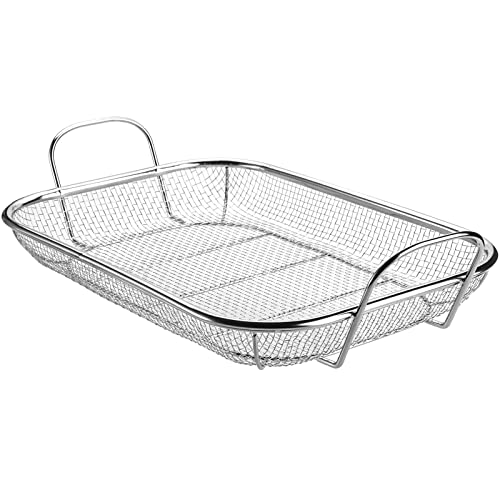
WUWEOT Grill Basket, Vegetable Barbecue Basket, 15″ x 11″
- ✓ Durable stainless steel build
- ✓ Easy to handle and flip
- ✓ Keeps small food secure
- ✕ Slightly heavy
- ✕ Limited to smaller ingredients
| Material | Stainless steel with reinforced mesh and thickened frame |
| Dimensions | 15 inches x 11 inches x 3.7 inches |
| Mesh Size | Small grill holes for heat and smoke passage |
| Handle Type | Curved, easy-to-carry wire handles |
| Intended Use | Suitable for grilling vegetables, seafood, and small ingredients |
| Additional Features | Raised edges to prevent food from scattering |
The first thing you’ll notice when you pick up the WUWEOT Grill Basket is how solidly it’s built. The stainless steel feels thick and sturdy, giving you confidence that it won’t warp or bend after a few uses.
The mesh is fine enough to keep small seafood like shrimp and cherry tomatoes from slipping through, yet still allows plenty of smoke and heat to circulate. I enjoyed tossing in some oysters and mushrooms, knowing they’d stay put while getting that perfect char.
The handles are thoughtfully designed—wide and curved—making it super easy to flip or lift the basket without risking a burn. Plus, the raised edges do an excellent job of preventing ingredients from spilling over during grilling or stirring.
What really impressed me is how versatile it feels. Not just for vegetables or seafood, but I also used it as a stir-fry wok on the grill—no problem.
The size is generous enough for a good batch of veggies or seafood, yet compact enough to fit comfortably over most charcoal grills.
Cleaning is straightforward—just rinse and scrub, thanks to the stainless steel surface. The reinforced bottom helps it stay flat and stable on the grill grates, which is a plus when tossing ingredients around.
Overall, this basket makes grilling seafood and vegetables a breeze. It keeps everything contained, enhances smoky flavor, and feels durable enough to last through many barbecues.
MESTAEK Aluminum BBQ Grill Trays 20 Pack 13×8.6 Inches

- ✓ Excellent heat and smoke flow
- ✓ Keeps small foods from falling
- ✓ Easy cleanup after grilling
- ✕ Not as sturdy as solid trays
- ✕ Perforations require gentle handling
| Material | Heavy-duty food-grade aluminum |
| Dimensions | 13 inches x 8.6 inches x 0.9 inches |
| Perforation Design | Intentional perforations for heat, smoke flow, and grease drainage |
| Intended Use | Suitable for grilling seafood, vegetables, meats, and small foods on gas, charcoal, and pellet grills |
| Quantity | 20 disposable trays per pack |
| Compatibility | Designed for most standard-sized grills |
That moment when you finally get your hands on a box of MESTAEK Aluminum BBQ Grill Trays has been on my wishlist for a while. I was curious if they’d live up to the hype, especially for grilling seafood like shrimp and fish.
As soon as I opened the package, I noticed how sturdy these trays felt—heavy-duty and well-made, not flimsy at all.
Using them on my charcoal grill, I loved the perforated design. It’s clear these aren’t accidental holes—they’re strategically placed to let smoke and heat circulate.
My seafood got that perfect smoky flavor, and the excess grease drained away without me having to flip everything constantly. Plus, the size is just right—big enough for a variety of foods but still easy to handle.
The fact that they’re disposable makes cleanup a breeze, especially after a big cookout. Just toss them out, and I’m done.
I also appreciated how well they kept smaller items like shrimp from slipping through the grates. They worked great on my gas and pellet grill, too, so they’re pretty versatile.
Overall, these trays made grilling seafood easier and cleaner, with a real BBQ flavor every time.
One thing to keep in mind—since they’re perforated, you’ll want to be gentle when flipping delicate foods. They’re not as sturdy as a solid tray, but that’s a small trade-off for the benefits.
What Types of Seafood Are Best for Charcoal Grilling?
The best seafood for charcoal grilling includes a variety of options that offer great flavor and texture when cooked over an open flame.
- Salmon: Salmon is a rich, oily fish that holds up well on the grill, allowing it to develop a delicious char while keeping the inside moist. Its robust flavor pairs well with a variety of marinades and seasonings, making it a favorite among grilling enthusiasts.
- Shrimp: Shrimp are quick to cook and can be easily skewered for grilling, which prevents them from falling through the grates. Their naturally sweet flavor enhances with a light marinade or seasoning, and they take on a delightful smoky taste from the charcoal.
- Scallops: Scallops are tender and delicate, making them a gourmet choice for grilling. When properly cooked, they develop a nice caramelized exterior while remaining juicy inside, and they benefit from simple seasoning to highlight their natural sweetness.
- Tuna: Tuna steaks are meaty and firm, making them ideal for high-heat grilling. They can be grilled to varying degrees of doneness, but a quick sear on the outside while keeping the inside rare is often preferred for the best taste and texture.
- Mahi-Mahi: Mahi-Mahi has a firm texture and a mild flavor that holds up well on the grill. It is often marinated or seasoned before being grilled, and it can develop a lovely crust while remaining moist and flaky inside.
- Octopus: Grilled octopus is becoming increasingly popular, and when prepared correctly, it can be tender and flavorful. Marinating and pre-cooking it before grilling ensures it doesn’t become tough, allowing the grill to add a smoky flavor to this unique seafood option.
- Oysters: Grilling oysters can enhance their briny flavor and introduce a delightful smokiness. They can be placed directly on the grill until they open up, signaling they are ready to eat, and they can be topped with butter or sauces for added flavor.
How Do Different Fish Varieties Perform on a Charcoal Grill?
- Salmon: Salmon is a popular choice for grilling due to its rich flavor and high-fat content, which keeps it moist during cooking.
- Tuna: Tuna is ideal for grilling because it holds up well to high heat and can be served rare, allowing for a tender and juicy texture.
- Mahi-Mahi: Mahi-Mahi has a firm texture that makes it easy to grill without falling apart, and its mild flavor pairs well with various marinades and spices.
- Trout: Trout offers a delicate flavor and is often grilled whole, which helps retain moisture and enhances its natural taste.
- Sardines: Sardines are small, oily fish that grill beautifully, providing a smoky flavor and crispy skin, making them a delicious option for seafood lovers.
Salmon is a popular choice for grilling due to its rich flavor and high-fat content, which keeps it moist during cooking. When grilled, it develops a crispy outer layer while remaining tender inside, making it a favorite among many seafood enthusiasts.
Tuna is ideal for grilling because it holds up well to high heat and can be served rare, allowing for a tender and juicy texture. Its meaty consistency and robust flavor can stand up to strong marinades and seasonings, making it versatile for various grilling preparations.
Mahi-Mahi has a firm texture that makes it easy to grill without falling apart, and its mild flavor pairs well with various marinades and spices. This fish is often favored for fish tacos or served with tropical salsas, enhancing its appeal on the grill.
Trout offers a delicate flavor and is often grilled whole, which helps retain moisture and enhances its natural taste. When grilled with herbs and lemon, it creates a fragrant dish that showcases the fish’s freshness and is perfect for outdoor cooking.
Sardines are small, oily fish that grill beautifully, providing a smoky flavor and crispy skin, making them a delicious option for seafood lovers. They are often served with a squeeze of lemon or a drizzle of olive oil, enhancing their taste while being easy to cook quickly on the grill.
What Shellfish Should You Consider for Charcoal Grilling?
The best seafood for charcoal grilling includes a variety of shellfish that can withstand high heat and develop rich, smoky flavors.
- Shrimp: Shrimp is a popular choice for grilling due to its quick cooking time and ability to absorb marinades. They can be skewered or grilled directly on the grate, and when cooked properly, they become juicy and flavorful, making them perfect for quick meals or appetizers.
- Scallops: Scallops are ideal for grilling because of their sweet, delicate flavor and firm texture. When grilled, they develop a beautiful caramelization on the outside while remaining tender on the inside, making them a gourmet choice for any barbecue.
- Lobster: Grilling lobster adds a smoky essence to its rich, buttery meat. Halving the lobster and grilling it shell-side down allows for even cooking and enhances its flavor, making it a luxurious option for special occasions.
- Clams: Clams can be grilled in their shells, allowing them to steam in their own juices, which enhances their briny flavor. They are best grilled until they open, indicating they are cooked through, and are often enjoyed with a squeeze of lemon or a garlic butter sauce.
- Oysters: Grilling oysters adds a unique flavor dimension and can be done either in their shells or shucked. When grilled, they become plump and juicy, and are often topped with sauces or seasonings to enhance their natural taste.
- Crab: Grilling crab, especially when split in half, allows the meat to absorb smoky flavors while keeping it juicy. Marinating or seasoning the crab before grilling can elevate its taste, making it a delightful centerpiece for any barbecue feast.
What Techniques Can Enhance Seafood Flavor When Grilling?
Several techniques can enhance the flavor of seafood when grilling on a charcoal grill:
- Marinating: Marinating seafood before grilling can infuse it with additional flavors, moisture, and tenderness. A mixture of acid (like lemon juice or vinegar), oil, and herbs or spices can complement the natural taste of the seafood and create a more dynamic flavor profile.
- Using Wood Chips: Adding wood chips to charcoal while grilling can impart a smoky flavor to the seafood. Different types of wood, such as cedar or hickory, can provide unique aromatic qualities that enhance the overall grilling experience.
- Direct vs. Indirect Heat: Understanding how to use direct and indirect heat can significantly affect the cooking process. Cooking seafood over direct heat allows for a quick sear and caramelization, while indirect heat can help cook thicker pieces more evenly without drying them out.
- Using a Grill Basket: A grill basket can prevent delicate seafood like shrimp or fish fillets from falling through the grates. It also allows for even cooking and easy flipping, while enhancing flavors through better heat retention and exposure.
- Seasoning with Salt and Herbs: Simple seasoning with salt and fresh herbs can elevate the natural flavors of seafood. Applying salt ahead of time allows moisture to be drawn out, enhancing the seafood’s taste and texture when grilled.
- Cooking with Citrus: Adding citrus slices or juices while grilling can brighten the flavors of seafood. Citrus not only complements the natural taste but also helps in tenderizing the proteins, creating a fresher and more vibrant dish.
How Can Marinades Improve Your Grilled Seafood?
Marinades can significantly enhance the flavor and texture of grilled seafood, especially when using a charcoal grill.
- Flavor Infusion: Marinades allow seafood to absorb various flavors from herbs, spices, and acidic components.
- Moisture Retention: The acids and oils in marinades help to keep seafood moist during the grilling process.
- Tenderization: Certain ingredients in marinades can break down proteins, making the seafood more tender and enjoyable to eat.
- Caramelization: Marinades with sugars can help create a beautiful caramelized crust on the seafood when grilled, enhancing both appearance and taste.
Flavor Infusion: Marinades typically include a combination of herbs, spices, and acidic elements such as vinegar or citrus juice, which penetrate the seafood and enhance its natural flavors. For grilled seafood, a well-balanced marinade can elevate a simple fish fillet or shrimp to a gourmet level, making the dish more exciting.
Moisture Retention: Seafood is naturally delicate and can dry out quickly on a hot grill. Marinades that incorporate oils and acids help create a barrier that locks in moisture, ensuring that the seafood remains juicy and tender even after cooking over high heat.
Tenderization: Ingredients like citrus juice, yogurt, or vinegar contain enzymes that can break down tough proteins in seafood, resulting in a more tender bite. This is particularly beneficial for firmer fish or shellfish that can sometimes be chewy if not prepared properly.
Caramelization: Marinades rich in sugars, such as honey or brown sugar, contribute to the Maillard reaction when exposed to high heat. This not only adds a visually appealing glaze but also enhances the flavor profile, giving the grilled seafood a deliciously sweet and savory taste that complements the smokiness of the charcoal grill.
What Grilling Methods Work Best for Various Seafood Types?
Various grilling methods can enhance the flavors of different seafood types when using a charcoal grill.
- Direct Grilling: This method is ideal for firm fish like salmon and tuna, which can be cooked quickly over high heat. Direct grilling allows for a nice sear, locking in moisture and providing a delicious crust while keeping the inside tender.
- Indirect Grilling: Best suited for larger or more delicate seafood such as whole fish or lobster, this method uses indirect heat to cook slowly. This technique prevents overcooking and allows flavors to develop while maintaining the seafood’s natural moisture.
- Grilling in Foil: A great option for delicate seafood like shrimp and scallops, grilling in foil packets helps to steam the seafood while infusing it with flavors from herbs and spices. The foil creates a barrier that retains moisture and prevents sticking, ensuring a juicy result.
- Skewering: Perfect for smaller pieces of fish or seafood like shrimp, skewering allows for even cooking and easy flipping. It also helps to keep the seafood together, preventing it from falling through the grill grates, and can be enhanced by marinating beforehand for added flavor.
- Plank Grilling: Utilizing cedar or other wood planks, this method imparts a subtle smoky flavor to fish and shellfish. Plank grilling not only protects the seafood from direct heat but also provides a unique presentation and infuses it with a woodsy aroma as it cooks.
What Are Common Mistakes to Avoid When Grilling Seafood?
When grilling seafood, it’s essential to avoid certain common mistakes to ensure delicious results.
- Not Preheating the Grill: Failing to preheat the grill can lead to uneven cooking and sticking. A hot grill surface helps to sear the seafood quickly, locking in moisture and flavor.
- Using the Wrong Type of Seafood: Some seafood options are more suitable for grilling than others. Delicate fish like flounder or tilapia may fall apart on the grill, while firmer options like salmon or shrimp hold up better and are less likely to stick.
- Overcooking Seafood: Seafood cooks quickly and can become tough if overcooked. Monitoring the internal temperature and removing the seafood from the grill as soon as it reaches the desired doneness is crucial for maintaining its tenderness and flavor.
- Skipping Marinades or Seasonings: Seafood can benefit greatly from marinades or seasoning to enhance its natural flavors. A simple marinade of olive oil, lemon juice, and herbs can add depth and complexity, preventing the seafood from tasting bland.
- Neglecting to Oil the Grill Grates: Not oiling the grill grates can lead to sticking and tearing of the seafood. Applying a light coat of oil to the grates before grilling helps create a barrier that keeps the seafood intact and makes for easier flipping.
- Flipping Too Soon: Constantly flipping seafood can disrupt the cooking process and cause it to break apart. Allowing the seafood to cook undisturbed for a few minutes before flipping ensures a proper sear and helps to maintain its structure.
- Grilling at the Wrong Temperature: Grilling seafood at overly high or low temperatures can affect the outcome. It’s important to find a balance, as high heat can char the outside while leaving the inside raw, whereas low heat may dry it out.
- Using Wooden Skewers Without Soaking: If using wooden skewers for shrimp or other small seafood, failing to soak them can lead to burning. Soaking skewers in water for at least 30 minutes before grilling helps prevent them from igniting on the grill.
How Can Overcooking Ruin Your Charcoal-Grilled Seafood?
Overcooking can significantly diminish the quality of charcoal-grilled seafood, affecting texture, flavor, and moisture retention.
- Loss of Moisture: When seafood is overcooked, it loses essential moisture, resulting in a dry and unappetizing texture.
- Altered Flavor: Overcooking seafood can lead to the breakdown of delicate flavors, making the dish taste bland or even overly charred.
- Textural Changes: Seafood can become rubbery or tough when cooked beyond its optimal temperature, reducing the enjoyment of the dish.
- Potential for Nutrient Loss: Overcooking can diminish the nutritional value of seafood, as some vitamins and minerals are sensitive to heat.
- Increased Risk of Burning: Seafood, especially those with lighter fats, can easily burn on a charcoal grill if left too long, leading to an unpleasant taste.
When seafood is overcooked, it loses essential moisture, resulting in a dry and unappetizing texture. The natural juices that keep seafood tender evaporate, leaving behind a tough product that can be hard to chew.
Overcooking seafood can lead to the breakdown of delicate flavors, making the dish taste bland or even overly charred. The unique characteristics of different types of seafood, such as sweetness in shrimp or brininess in fish, can be lost if cooked for too long.
Seafood can become rubbery or tough when cooked beyond its optimal temperature, reducing the enjoyment of the dish. This is particularly true for shellfish and fish, which have very specific cooking times to achieve the right consistency.
Overcooking can diminish the nutritional value of seafood, as some vitamins and minerals are sensitive to heat. Essential nutrients like Omega-3 fatty acids can break down under high temperatures, rendering the dish less healthy.
Seafood, especially those with lighter fats, can easily burn on a charcoal grill if left too long, leading to an unpleasant taste. Burnt seafood not only loses its appealing flavor but can also pose health risks due to the formation of harmful compounds.
Why Is Proper Prep Essential for Successful Grilling?
Proper preparation is essential for successful grilling because it ensures that the food cooks evenly, retains moisture, and develops optimal flavors, particularly with delicate items like seafood.
According to the USDA, seafood is highly perishable and requires careful handling to prevent spoilage and ensure safety. Proper prep methods, such as marinating and seasoning, not only enhance the flavor but also create a barrier that helps retain moisture during the cooking process. This is especially important when grilling on charcoal, where the high, direct heat can easily dry out seafood if not adequately prepared.
The underlying mechanism involves several factors, including temperature control and the Maillard reaction, which is responsible for browning and flavor development. When seafood is prepared correctly, it can withstand the high temperatures of a charcoal grill, allowing the surface to caramelize while keeping the inside tender. Additionally, oils and marinades can help impart flavor and form a protective layer, preventing the seafood from sticking to the grill grates. This careful balance between heat application and moisture retention is vital for achieving the best results when grilling seafood on charcoal.
Related Post: