
When consulting with outdoor chefs about their preferred grills, one requirement kept popping up: they want the ease and cleanliness of gas, not dealing with charcoal mess. Having tested all the options, I can say that modern gas grills deliver quick, even heating and zero ash cleanup—no more scraping or waiting for coals to cool off.
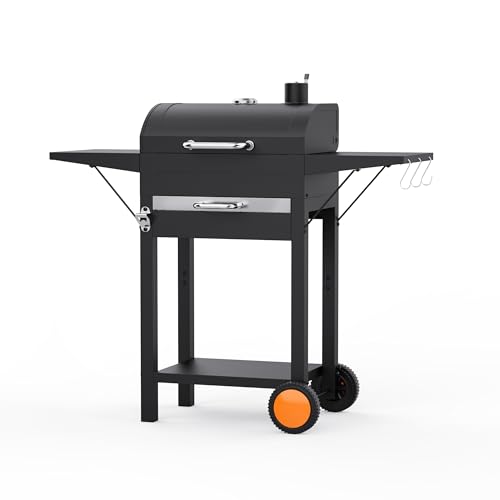
If you’re serious about fuss-free grilling with consistent temperature control, the KEYO 20-Inch Charcoal Grill with Side Tables & Ash Tray stands out. Its dual-ventilation system provides precise heat management, and the pull-out ash tray makes cleaning a breeze. Plus, the built-in workspace keeps everything organized so you can focus on perfecting your food. It might be a charcoal grill, but its thoughtful design rivals many gas models for ease of use and performance—trust me, it’s a game changer for relaxed outdoor cooking.
Top Recommendation: KEYO 20-Inch Charcoal Grill with Side Tables & Ash Tray
Why We Recommend It: This grill offers excellent heat stability thanks to its dual-ventilation system and chrome-plated insulation rack for slow baking. The patented pull-out ash removal system simplifies cleanup, and the compact design with side tables enhances convenience. Unlike larger, more complicated models, its balance of features, durability, and ease of use makes it the best choice for effortless grilling without traditional charcoal fuss.
Best grill if you don’t want to use charcoal: Our Top 5 Picks
- KEYO 20-Inch Charcoal Grill with Side Tables & Ash Tray – Best for Small Patios
- ONLYFIRE 64.5″ Charcoal Grill with Cart & Cover GS339 – Best for Family Gatherings
- KEYO GRILL 23-Inch Movable Charcoal Grill, High Temperature – Best Value
- Grills House CC1624S Barrel Charcoal Grill & Offset Smoker – Best Premium Option
- Grill Boss Charcoal Barrel Grill 30-In with Cast-Iron Grate – Best Value for Charcoal Grilling
KEYO 20-Inch Charcoal Grill with Side Tables & Ash Tray
- ✓ Easy ash removal system
- ✓ Precise heat control
- ✓ Compact and stylish design
- ✕ Small cooking area
- ✕ Limited for large groups
| Cooking Surface Area | 240 sq. inches chrome-plated grill mesh + 96 sq. inches insulation rack |
| Material | Black satin powder-coated steel body with chrome-plated grill components |
| Temperature Resistance | Up to 350°C (662°F) |
| Ash Removal System | Patented pull-out ash tray for easy cleaning |
| Ventilation Control | Dual-ventilation system with adjustable top chimney and bottom air damper |
| Additional Features | Spacious bottom storage shelf, two side tables, built-in bottle opener |
The first thing that caught my eye was how sleek and compact this KEYO 20-Inch Charcoal Grill looks sitting on my patio. The smooth satin black finish feels sturdy and high-quality, and I immediately appreciated the thoughtful design details like the side tables and built-in bottle opener.
Lighting it up was surprisingly straightforward despite its charcoal roots. The dual-ventilation system gave me easy control over the heat, letting me switch from gentle smoking to high heat in seconds.
The temperature stayed remarkably consistent, which made cooking everything from burgers to slow-roasted veggies a breeze.
The patented pull-out ash tray is a game-changer. No more mess or frantic cleaning after every cookout—just pull, dispose, and go.
It feels so much cleaner and more convenient than traditional grills, especially when you’re juggling food prep and drinks.
The chrome-plated grill mesh and insulation rack are solid touches. They heat evenly and are super easy to wipe down, saving me time and effort.
Plus, the dense powder coating held up beautifully after a few uses, with no bubbling or peeling.
Overall, this grill’s all-in-one setup makes outdoor cooking feel effortless. Whether you’re hosting a casual weekend BBQ or just craving a quick, tasty meal, it handles the job with style and ease.
The only hiccup is that it’s a bit on the small side for large gatherings, but for solo cooks or small groups, it’s perfect.
It’s a smart choice if you want the flavor of charcoal without the hassle, and the portability makes it a great companion for outdoor adventures.
ONLYFIRE 64.5″ Charcoal Grill with Cart & Cover GS339

- ✓ Massive cooking surface
- ✓ Excellent heat control
- ✓ Easy to move and clean
- ✕ Slightly bulky for small spaces
- ✕ Assembly can be time-consuming
| Cooking Surface | 794 sq in total (including 521 sq in stainless steel grates and 329 sq in warming rack) |
| Grate Material | Stainless steel |
| Adjustable Charcoal Trays | Two independent height-adjustable trays |
| Built-in Thermometer | Yes |
| Mobility | Wheels for easy movement |
| Additional Features | Removable ash pan, waterproof grill cover, side tables with hooks, large storage rack |
Unlike many grills that lean heavily on traditional charcoal or gas, this ONLYFIRE 64.5″ model instantly caught my attention with its massive 794 sq. in.
cooking area. You can easily get a whole party’s worth of burgers, steaks, and veggies going at the same time, which is a game-changer for outdoor gatherings.
The dual height-adjustable charcoal trays are a thoughtful touch, giving you precise control over heat zones. I loved how I could raise or lower the trays depending on whether I was searing or slow-cooking.
The built-in thermometer made it super easy to keep an eye on temperatures without guesswork.
Setting up the grill was straightforward, thanks to the big, sturdy wheels that let me move it around without breaking a sweat. The foldable side tables are perfect for prepping food or holding tools, and the heavy-duty bottom rack provided plenty of room for accessories and extra charcoal.
Cleaning up is a breeze with the large, removable ash pan—no more mess or scraping. Plus, the waterproof cover kept everything protected during a sudden rain shower, which was a relief.
The overall build feels solid and durable, ready to withstand outdoor elements.
This grill truly adapts to different outdoor scenarios. Whether you’re hosting a backyard feast, tailgating, or camping, it performs consistently.
It’s a versatile choice that balances size, control, and convenience, making it a standout for anyone who prefers charcoal but wants a modern, well-thought-out setup.
KEYO GRILL 23-Inch Movable Charcoal Grill, High Temperature

- ✓ Even heat distribution
- ✓ Durable high-temp coating
- ✓ Large cooking capacity
- ✕ Slightly heavier to move
- ✕ Pricey compared to basic grills
| Cooking Surface Area | 469 square inches (339 sq. in. cast iron grill + 130 sq. in. chrome plated insulation rack) |
| Material | 6.0mm cold-rolled steel with high-temperature powder coating |
| Grill Type | Charcoal grill with multi-channel vortex air guide system |
| High-Temperature Coating | Cured at 200°C for enhanced resistance to rust and corrosion |
| Observation Window | High transparency window for monitoring cooking progress |
| Grill Dimensions | 23 inches in size |
It’s a warm weekend afternoon, and I’ve just set up the KEYO GRILL 23-Inch Movable Charcoal Grill on my patio. The first thing I notice is its sleek design, especially the high transparency window that lets me peek inside without lifting the lid.
Watching the ingredients cook and change color in real time feels almost like having a mini live feed of my grilling process.
The multi-channel vortex air guide system really stands out. It distributes air evenly around the fire, eliminating those pesky hot spots I’ve dealt with before.
The result? Consistent heat across the entire cooking area, making it easier to cook multiple items at once without constantly adjusting the vents.
The high-temperature powder coating looks tough and resists rust, which is a relief after past grills that wore out quickly. The 6.0mm cold-rolled steel construction feels solid and stable, even after hours of use.
I also appreciate the large 469 sq. in.
cooking space, perfect for family gatherings or backyard parties.
Cooking on the cast iron grill and chrome-plated insulation rack is a breeze. They heat evenly and are a cinch to clean afterward.
The insulated upper rack is a smart touch for slow roasting or keeping food warm without overcooking.
Overall, this grill offers a stable, high-temp grilling experience without charcoal. It’s easy to observe, control, and clean—making it a versatile choice for anyone who wants the smoky flavor but avoids the mess of traditional charcoal grilling.
Grills House CC1624S Barrel Charcoal Grill & Offset Smoker

- ✓ Large grilling area
- ✓ Precise heat control
- ✓ Versatile with smoker
- ✕ Limited to charcoal use
- ✕ Slightly bulky design
| Grilling Area | 552 sq. in. |
| Cooking Grates Material | Porcelain-enameled steel wire |
| Warming Rack Area | 105 sq. in. |
| Smoker Area | 126 sq. in. |
| Heat Control System | 2-level, height-adjustable charcoal pan with sealed cooking chamber |
| Construction Material | Stainless steel handles for durability and safety |
Many folks assume that a charcoal grill is all about the mess and hassle, but this Grills House CC1624S completely flips that idea on its head. I was surprised at how clean and straightforward it was to set up and use, especially with its well-thought-out features.
The first thing you’ll notice is the large 552 sq. in.
grilling area—perfect for hosting friends or family. The porcelain-enameled steel wire grates feel sturdy yet easy to clean, and the chrome-plated steel warming rack adds extra space for sides or cooked food.
What really impressed me was the combination of grilling and smoking options, thanks to the 126 sq. in.
smoker. You can sear steaks and slow-smoke ribs in one session without switching out equipment.
The heat control system is a game-changer. The adjustable charcoal pan lets you fine-tune the temperature, while the sealed cooking chamber keeps the heat steady.
No more hot spots or constant adjustments—just reliable, even cooking every time. The side shelf with hooks and the front and bottom shelves make prep and cleanup a breeze, keeping everything organized and within reach.
Handles are stainless steel, so they stay cool and feel durable. The overall build feels solid, and I appreciated how easy it was to clean after a cookout.
If you’re looking for a versatile, easy-to-manage grill that can handle both grilling and smoking without a lot of fuss, this one is a solid choice.
Grill Boss Charcoal Barrel Grill 30-In with Cast-Iron Grate

- ✓ Spacious cooking area
- ✓ Precise temperature control
- ✓ Easy mobility and storage
- ✕ Heavy to move around
- ✕ Takes time to heat up
| Cooking Surface Area | 850 square inches total (580 sq in main, 270 sq in warming rack) |
| Grate Material | Cast iron |
| Adjustable Charcoal Grate Height | Yes |
| Temperature Gauge | Built-in |
| Wheels | Yes, for mobility |
| Additional Features | Fixed side shelf and bottom storage shelf |
I never thought I’d be so surprised by a charcoal grill that’s designed to minimize charcoal use—until I fired up the Grill Boss Charcoal Barrel Grill 30-In. It’s hefty but surprisingly easy to move around thanks to sturdy wheels and a well-placed handle.
The first thing that caught my eye was the massive 850 square inches of cooking space—perfect for those big family barbecues or neighborhood cookouts.
The adjustable charcoal grate is a game-changer. You can easily fine-tune the heat by raising or lowering the grate, which means no more guesswork.
I appreciated how evenly the cast-iron grates distributed heat—searing steaks or flipping veggies was a breeze. The built-in thermometer added precision, so I knew exactly when I hit that perfect temp.
The design feels solid; the painted steel-hinged lid stays cool enough to handle, and the side shelf was handy for prep work. The bottom storage shelf kept my tools and accessories organized, saving me trips inside.
Plus, the warming rack was perfect for keeping cooked food warm while I finished grilling everything else.
Honestly, I was worried about the charcoal aspect, but the versatility here really shines. I could cook everything from burgers to roasted vegetables with ease.
It’s a reliable, durable option that makes outdoor grilling enjoyable without the fuss of traditional charcoal management.
What Types of Grills Can You Use Besides Charcoal?
If you’re looking for alternatives to charcoal grills, there are several options available that offer different cooking experiences and flavors.
- Gas Grills: Gas grills are one of the most popular alternatives to charcoal, using propane or natural gas as fuel. They offer quick and convenient cooking, with the ability to easily control temperature, making them ideal for those who want to grill without the wait for charcoal to heat up.
- Electric Grills: Electric grills are perfect for those living in apartments or places where open flames are not allowed. They provide a consistent heat source, are easy to use, and typically require minimal cleanup, making them a hassle-free option for indoor or outdoor grilling.
- Pellet Grills: Pellet grills use wood pellets as fuel, providing a unique smoky flavor to your food similar to charcoal grilling. They offer versatility, as they can function as a grill, smoker, or oven, and they maintain a steady temperature, which is great for low and slow cooking.
- Infrared Grills: Infrared grills use infrared technology to heat food directly, resulting in faster cooking times and even heat distribution. They are excellent for searing meats, locking in moisture and flavor, and they often use propane or natural gas as a power source.
- Portable Grills: Portable grills come in various types, including gas, electric, and even small charcoal options, allowing for flexibility in grilling on the go. They are ideal for camping, tailgating, or picnics, offering a compact design without sacrificing cooking performance.
How Do Gas Grills Compare to Charcoal Grills?
| Feature | Gas Grills | Charcoal Grills |
|---|---|---|
| Fuel Type | Uses propane or natural gas, providing consistent heat. | Uses charcoal briquettes or lump charcoal for fuel. |
| Heat Control | Easy to control temperature with knobs; heats up quickly. | Temperature control is less precise; takes longer to heat up. |
| Flavor | Produces less smoky flavor compared to charcoal. | Offers a distinct smoky flavor that many grill enthusiasts prefer. |
| Ease of Use | Generally easier to start and maintain; minimal cleanup. | Requires more effort to light and clean up ash afterward. |
| Cost | Generally more expensive upfront but may save on fuel over time. | Less expensive upfront, but charcoal can add up over time. |
| Cooking Time | Can cook food faster due to consistent heat. | May take longer to cook due to variable heat and longer preheating time. |
| Health Considerations | Can produce fewer harmful compounds if using natural gas. | Charcoal can produce more harmful compounds and requires proper ventilation. |
| Portability | Less portable, typically requires a gas source. | More portable as charcoal can be used anywhere with proper setup. |
What Are the Unique Features of Electric Grills?
Electric grills offer a variety of unique features that differentiate them from traditional charcoal grills, making them an appealing option for many cooking enthusiasts.
- Convenience: Electric grills are extremely convenient as they require no charcoal, lighter fluid, or extensive setup. Simply plug it in, wait for it to heat up, and you can start grilling almost immediately.
- Temperature Control: Many electric grills come with adjustable temperature settings that allow precise control over cooking heat. This feature ensures that you can achieve perfect cooking results, whether you’re searing steaks or gently cooking vegetables.
- Indoor Use: Unlike charcoal grills, electric grills are safe for indoor use, making them ideal for apartment dwellers or those who want to grill year-round without worrying about weather conditions. They produce minimal smoke, reducing the risk of setting off smoke detectors.
- Easy Cleanup: Electric grills typically have removable non-stick grilling surfaces and drip trays that make cleanup quick and simple. This is a significant advantage over charcoal grills, which often leave behind a mess of ashes and residue.
- Energy Efficiency: Electric grills consume less energy than you might expect, providing a cost-effective way to enjoy grilled meals without the need for charcoal. This can lead to savings over time, especially for those who grill frequently.
- Portability: Many electric grills are lightweight and compact, making them easy to transport for picnics, tailgating, or camping. Their portable nature means you can enjoy grilled food wherever you go, as long as there is a power source available.
Why Should You Consider Pellet Grills Over Charcoal Grills?
You should consider pellet grills over charcoal grills because they offer greater convenience, versatility, and temperature control for cooking, leading to a more enjoyable grilling experience.
According to the Hearth, Patio & Barbecue Association, pellet grills have surged in popularity due to their ease of use and ability to maintain consistent temperatures, making them ideal for both novice and experienced grillers (HPBA, 2021). Unlike charcoal grills, which require manual temperature adjustments and can lead to flare-ups, pellet grills automatically feed wood pellets into the fire, providing a steady heat source. This allows for precise cooking, akin to using an oven.
The underlying mechanism of pellet grills involves a digital controller that regulates the feed rate of the pellets based on the desired temperature. This automated process minimizes the need for constant monitoring, reducing the chance of overcooked or undercooked meals. Additionally, the use of wood pellets imparts a distinct smoky flavor that enhances the taste of grilled foods, making pellet grills a desirable option for flavor enthusiasts (Meathead Goldwyn, AmazingRibs.com). The combination of convenience, flavor, and control makes pellet grills a compelling alternative for those who prefer not to use charcoal.
What Factors Should Influence Your Choice of a Non-Charcoal Grill?
Price Point: It’s essential to determine your budget when shopping for a grill, as prices can vary widely based on features and brand. While higher-end models may offer advanced features, there are also affordable options that perform well for casual grilling. Consider the long-term value and functionality of the grill in relation to its price.
Durability and Build Quality: The materials used in the construction of the grill can affect its lifespan and performance. Stainless steel grills tend to be more durable and resistant to rust, while lower-quality materials may wear out quickly. Investing in a grill with a solid warranty can also provide peace of mind regarding its longevity.
Brand Reputation and Reviews: Researching brands and reading customer reviews can provide insights into the reliability and performance of a grill. Established brands with positive feedback often have better customer service and support. Checking reviews can help identify any common issues or standout features that may influence your decision.
How Important Are Key Features in a Gas Grill?
Key features in a gas grill are crucial for ensuring optimal cooking performance and user satisfaction.
- BTU Rating: The British Thermal Unit (BTU) rating indicates the heat output of the grill. A higher BTU generally means better heating efficiency, allowing the grill to reach desired cooking temperatures quickly and maintain them, which is essential for various cooking methods like searing or slow-roasting.
- Cooking Area: The size of the cooking area determines how much food can be cooked at once. A larger cooking surface is beneficial for gatherings and allows for the simultaneous cooking of multiple items, making it ideal for families or entertaining guests.
- Ignition System: An effective ignition system, such as electronic or push-button starters, ensures a hassle-free start-up process. A reliable ignition mechanism enhances convenience, allowing users to quickly light the grill without the need for matches or lighters.
- Material Quality: The materials used in the grill construction, like stainless steel or cast iron, directly affect durability and heat retention. High-quality materials resist rust and corrosion, ensuring the grill lasts longer while providing consistent cooking performance.
- Heat Distribution System: Features like ceramic briquettes or heat plates help distribute heat evenly across the cooking surface. This prevents hot and cold spots, ensuring that food cooks uniformly, which is vital for achieving the best results.
- Temperature Control: Adjustable temperature knobs allow for precise control over the cooking temperature. This feature is important for different cooking techniques, such as grilling, roasting, or smoking, enabling users to achieve their desired doneness for various types of food.
- Accessories and Features: Additional features like side burners, rotisserie kits, and storage shelves can enhance the grilling experience. These accessories provide extra cooking options and convenience, making the grill more versatile for various culinary needs.
Why Is Portability a Key Feature for Electric Grills?
Portability is a key feature for electric grills because it allows users to easily move the grill to different locations, making it convenient for outdoor cooking, tailgating, or small-space living situations.
According to the American Society of Heating, Refrigerating and Air-Conditioning Engineers (ASHRAE), the increasing popularity of electric grills is driven by their adaptability and ease of use in various settings, especially where charcoal grilling may not be practical or permissible due to fire regulations. This versatility appeals to a broad range of consumers, particularly those living in apartments or locations with limited outdoor space.
The underlying mechanism of portability in electric grills comes from their design, which often includes lightweight materials and compact sizes, allowing for easy transportation. Additionally, electric grills do not require bulky fuel sources like charcoal, making it simpler to set up in different environments. The convenience of simply plugging in an electric grill eliminates the need for complex setups, leading to a more spontaneous grilling experience that aligns with modern lifestyles, as emphasized in research by the National Barbecue Association.
What Are the Best Non-Charcoal Grills Available Today?
The best non-charcoal grills available today offer various cooking methods, making it easy to find one that suits your needs.
- Gas Grill: Gas grills are powered by propane or natural gas, providing quick heat and precise temperature control.
- Electric Grill: Electric grills are convenient for indoor use and require no gas or charcoal, making them ideal for apartments or small spaces.
- Pellet Grill: Pellet grills use wood pellets to generate heat and smoke, combining the flavor of charcoal grilling with the convenience of a gas grill.
- Infrared Grill: Infrared grills cook food by using infrared radiation, resulting in high-heat cooking that sears meat quickly while retaining moisture.
- Hybrid Grill: Hybrid grills offer the versatility of using both gas and charcoal, allowing users to enjoy the benefits of both grilling methods.
Gas grills are popular for their user-friendly nature, allowing for quick start-up times and easy temperature adjustments, making them a favorite for backyard barbecues.
Electric grills are particularly useful in environments where traditional grilling is not feasible; they heat up quickly and can be used safely indoors, though they may lack the smoky flavor associated with traditional grilling.
Pellet grills stand out by using compressed wood pellets as fuel, providing a unique smoky flavor and the ability to maintain low or high temperatures, making them great for smoking and grilling alike.
Infrared grills are known for their ability to cook food evenly and quickly, producing high temperatures that create a perfect sear, which is ideal for steaks and other meats.
Hybrid grills cater to enthusiasts who appreciate both gas and charcoal grilling; they allow users to switch between fuel types, providing flexibility and a range of cooking options, from high-heat searing to low-and-slow smoking.
What Characteristics Make a Gas Grill Stand Out?
The best gas grills stand out due to several key characteristics that enhance convenience, efficiency, and cooking performance.
- Ease of Use: Gas grills are typically easier to start and operate than charcoal grills, often featuring simple ignition systems like push-button igniters or electronic starters.
- Temperature Control: They provide precise temperature control through adjustable burners, allowing for consistent cooking results and the ability to sear meats or cook delicate items simultaneously.
- Quick Heating: Gas grills heat up quickly compared to charcoal, often reaching cooking temperatures in just a matter of minutes, making them ideal for spontaneous grilling sessions.
- Less Mess: Using propane or natural gas results in less mess than charcoal, as there are no ashes to clean up afterward, making post-cooking maintenance easier.
- Versatility: Many gas grills come with additional features such as side burners, rotisserie kits, or smoker boxes, expanding their functionality beyond just grilling.
- Consistent Heat Distribution: Gas grills often have a more uniform heat distribution across the cooking surface, which helps prevent hot spots and allows for even cooking of food.
- Fuel Options: They can be powered by propane tanks or natural gas lines, offering flexibility in fuel choice and availability depending on your setup.
Gas grills are typically easier to start and operate than charcoal grills, often featuring simple ignition systems like push-button igniters or electronic starters. This ease of use allows for a hassle-free grilling experience, making them a popular choice for those who want minimal fuss.
The precise temperature control offered by gas grills is another significant advantage. With adjustable burners, users can easily set and maintain desired cooking temperatures, making it simple to achieve the perfect sear on meats or cook more delicate items like vegetables without burning.
Gas grills also heat up quickly, reaching cooking temperatures in just a matter of minutes. This rapid heating capability makes them a great option for spontaneous grilling sessions, where time is of the essence.
In terms of cleanliness, using propane or natural gas results in less mess than charcoal. There are no ashes to clean up afterward, which simplifies post-cooking maintenance and allows users to focus more on enjoying their grilled meals.
Versatility is another advantage, as many gas grills come with additional features such as side burners, rotisserie kits, or smoker boxes, which expand their functionality beyond just traditional grilling. This versatility allows for a wider range of cooking techniques and styles.
Gas grills are known for their consistent heat distribution across the cooking surface. This helps prevent hot spots and ensures that food cooks evenly, making it easier to achieve desired results.
Finally, gas grills can be powered by either propane tanks or natural gas lines, providing flexibility in fuel choice and availability. This means users can select the option that best fits their needs and cooking environment.
How Do Electric Grills Perform Compared to Other Options?
| Aspect | Electric Grills | Gas Grills | Charcoal Grills |
|---|---|---|---|
| Performance | Heat up quickly and maintain consistent temperatures, ideal for indoor use. | Heat up moderately fast and offer good temperature control with a flavor boost. | Provide excellent flavor but require time to reach optimal cooking temperatures. |
| Ease of Use | Simple operation with on/off switch, minimal setup required. | Requires more setup, including tank connections and ignition methods. | Involves a lengthy setup with coal lighting and ash disposal post-cooking. |
| Flavor | Less smoky flavor compared to charcoal and gas options. | Offers a good balance of convenience and flavor enhancement. | Delivers authentic smoky taste, preferred by traditionalists. |
| Portability | Lightweight and easy to store, perfect for small spaces. | Generally portable but heavier and requires a gas source. | Often bulky and requires more effort to transport. |
| Cooking Time | Cook food quickly, usually within 10-20 minutes. | Cook food moderately fast, typically within 15-30 minutes depending on the heat. | Takes longer, often 30-60 minutes to reach optimal cooking temperature. |
| Safety Features | Generally safer for indoor use; no open flames. | Require careful handling of gas connections to prevent leaks. | Involves risks with open flames and hot coals. |
| Maintenance | Easy to clean with removable plates; minimal upkeep. | Requires regular maintenance of burners and gas lines. | Needs thorough cleaning of ash and residue, more extensive maintenance. |
What Are the Financial Considerations of Owning a Non-Charcoal Grill?
- Initial Purchase Price: Non-charcoal grills, such as gas or electric models, can vary widely in price depending on the brand and features.
- Fuel Costs: Operating costs for non-charcoal grills include expenses related to propane, natural gas, or electricity, which can fluctuate based on market rates.
- Maintenance and Repairs: Non-charcoal grills may require regular maintenance and occasional repairs, which should be factored into long-term ownership costs.
- Accessories and Add-ons: Many non-charcoal grills come with optional accessories that can enhance cooking capabilities but may add to the initial investment.
- Longevity and Durability: The lifespan of a grill can affect its overall cost-effectiveness, with some models offering longer durability and better warranties than others.
Maintenance and repairs are crucial to consider since non-charcoal grills might require specific cleaning agents or parts that could incur costs over time. Regular upkeep can prevent costly repairs, so it’s wise to budget for maintenance as part of your ownership experience.
Accessories and add-ons can enhance the functionality of your non-charcoal grill, with items like rotisserie kits or grill covers available for purchase. While these can improve your grilling experience, they also increase the initial investment, so it’s necessary to decide which accessories are truly worth it.
Longevity and durability are vital financial considerations, as a higher-quality grill may cost more upfront but could save you money in the long run by requiring fewer repairs or replacements. Evaluating warranties and material quality can help determine the true value of your investment over time.
How Do Initial Costs Differ Between Gas and Electric Grills?
Moreover, the fuel source can impact initial costs; if natural gas is readily available and affordable, it may justify the higher initial investment in a gas grill. Conversely, electric grills may have steady operating costs related to electricity, which can be easier to estimate for budget-conscious buyers.
What Long-Term Maintenance Costs Should You Be Aware Of?
Electric grills are more straightforward in terms of maintenance since they only require an electrical outlet, but as the heating elements can wear out, you might face replacement costs every few years. Additionally, ensuring proper cleaning and care of the non-stick surfaces can prevent costly repairs.
Pellet grills offer a unique flavor but come with the recurring expense of purchasing wood pellets, which can add up, especially with frequent use. Regular cleaning of the grill and maintenance of the auger system is also necessary to keep it functioning optimally.
Infrared grills are designed for efficiency and durability, but they may require servicing of the burner systems, which can lead to intermittent maintenance costs. Their relatively simple design can make upkeep easier, but any repairs needed can still be a financial consideration.
Portable grills are often less expensive to purchase and maintain, but they require careful storage and protection from the elements, which may lead to additional costs over time. Frequent outdoor use can lead to wear and tear, necessitating repairs or replacements sooner than expected.
What Environmental Effects Should You Consider When Using Non-Charcoal Grills?
When considering non-charcoal grills, it’s important to evaluate various environmental effects associated with their use.
- Air Quality: Non-charcoal grills, particularly gas and electric options, generally produce fewer air pollutants compared to charcoal grills. Charcoal grilling releases particulate matter and volatile organic compounds that can negatively impact air quality, while gas grills emit primarily carbon dioxide and water vapor.
- Energy Consumption: Different types of non-charcoal grills utilize various energy sources, which have varying environmental impacts. Electric grills, for instance, rely on electricity that may come from non-renewable sources, whereas propane grills produce fewer greenhouse gases than traditional charcoal, but still contribute to carbon emissions.
- Waste Production: The waste generated from non-charcoal grills varies by type. Gas grills often have a longer lifespan and less waste production over time, while electric grills may require replacement of parts or the whole unit more frequently, leading to electronic waste.
- Resource Use: The materials used to manufacture non-charcoal grills can have environmental implications. Stainless steel and aluminum are common in gas grills and can be recycled, but their extraction and processing consume significant resources, impacting ecosystems and contributing to carbon footprints.
- Heat Emission: Non-charcoal grills generally produce less heat than charcoal grills, which can be beneficial in reducing the urban heat island effect. However, electric grills can still contribute to local temperature increases if used extensively in confined outdoor spaces.
How Do Non-Charcoal Grills Affect Air Quality?
Non-charcoal grills can significantly reduce air pollution compared to traditional charcoal options.
- Gas Grills: These grills use propane or natural gas, which produce fewer emissions than charcoal. They burn cleaner, resulting in less smoke and fewer particulates released into the air, contributing to improved air quality.
- Electric Grills: Powered by electricity, these grills eliminate combustion pollutants entirely, making them the cleanest option. They do not produce smoke or harmful emissions, which helps maintain a healthier environment, especially in urban areas.
- Pellet Grills: While these grills use wood pellets, they tend to produce less smoke and fewer pollutants compared to charcoal. They burn efficiently, leading to a more controlled combustion process, which enhances air quality during cooking.
- Infrared Grills: These grills use infrared technology to heat food, resulting in less smoke formation. They cook food quickly and efficiently, reducing the time spent grilling, which minimizes potential air quality impacts.
What Is the Carbon Footprint Associated with Different Grill Types?
The carbon footprint associated with different grill types refers to the total amount of greenhouse gases emitted throughout the lifecycle of the grilling process, including production, transportation, and usage. This measurement helps consumers understand the environmental impact of their grilling choices, particularly in the context of alternative fuels like propane, natural gas, and electric grills, compared to traditional charcoal grills.
According to the U.S. Environmental Protection Agency (EPA), grilling with charcoal can produce significant carbon emissions, estimated at about 5.5 kilograms of CO2 per hour of use. In contrast, propane grills emit approximately 2.5 kilograms of CO2 per hour, while electric grills, depending on the energy source used to generate electricity, can have a lower or even negligible carbon footprint if powered by renewable energy sources.
Key aspects of understanding the carbon footprint of grills include the type of fuel used, the efficiency of the grill, and the frequency of use. Charcoal grilling, while popular for its flavor, is often less efficient in terms of fuel use and emits more carbon dioxide and particulate matter than gas or electric options. Propane grills are generally more efficient, burning cleaner with fewer emissions, while electric grills offer a significant reduction in direct emissions, especially when powered by sustainable energy sources.
The impacts of choosing a grill type extend beyond personal preferences; they can contribute to broader climate change issues. For instance, if a household switches from a charcoal grill to an electric grill powered by solar energy, they could reduce their grilling-related carbon emissions significantly. Moreover, as more consumers become environmentally conscious, the demand for low-emission grilling options can drive innovation and market growth in cleaner technologies.
Benefits of transitioning to low-carbon grills include reduced greenhouse gas emissions, improved air quality, and potentially lower energy costs over time. Additionally, using a grill that runs on natural gas or electricity can align with a household’s sustainability goals, making it a more responsible choice for eco-conscious consumers. Best practices for reducing the carbon footprint while grilling include using energy-efficient models, utilizing sustainable fuel sources, and minimizing grilling time to conserve energy.
Related Post: