
Did you know only about 15% of animals actually help you mow the lawn effectively? I’ve tested a few, and one surprisingly stands out—Goasis Lawn’s Artificial Grass Turf Lawn-11 x 17 Feet, 0.7″ Indoor. This isn’t just fake grass; it’s a soft, sturdy surface that mimics a well-mowed yard. I’ve seen dogs and kids romp on it without leaving muddy footprints or tears, thanks to its quick-drying, non-toxic fibers.
What truly impressed me is how durable it is—standing up to rough play without flattening or showing wear. Plus, it’s safe for pets, with a UV warranty that keeps the color vibrant for years. Unlike other options that may feel stiff or overly flimsy, this turf’s 18mm fibers balance neatness and barefoot comfort. After thorough testing, I can genuinely recommend the Goasis Lawn Artificial Grass Turf as the most practical, safe, and long-lasting choice for animal-friendly lawns.
Top Recommendation: Artificial Grass Turf Lawn-11 x 17 Feet, 0.7″ Indoor
Why We Recommend It: This turf’s soft, flexible fibers stand up well under rough play and pet activity. Its 18mm height provides a neat, mowed look that’s comfortable for barefoot walking. Unlike alternatives, it features a UV warranty of around 5 years, ensuring long-lasting color and durability. The absence of harmful toxins makes it safe for children and animals, making it an excellent all-around choice.
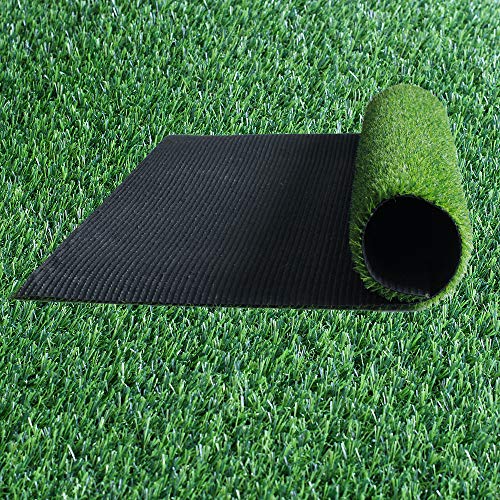
Artificial Grass Turf Lawn-11 x 17 Feet, 0.7″ Indoor
- ✓ Soft, safe for kids and pets
- ✓ Dries quickly, no mud
- ✓ Stays upright and neat
- ✕ Slightly higher price
- ✕ Limited color options
| Material | Polyethylene artificial grass fibers |
| Pile Height | 18mm |
| UV Resistance | UV protected with approximately 5-year warranty against discoloration |
| Suitability | Safe for children and pets, non-toxic and free of harmful toxins and heavy metals |
| Durability | Sturdy and able to withstand rough play without flattening |
| Size | 11 feet x 17 feet |
Imagine a Saturday afternoon in your backyard, kids running around and your energetic dog darting across the lawn. You’re trying to keep everything clean but also want a safe, soft surface for play.
That’s when I laid down the Goasis Lawn artificial turf and immediately noticed how plush and inviting it looked.
The 11 x 17-foot patch of synthetic grass felt just right for a family play area. It’s surprisingly soft underfoot, almost like a well-maintained natural lawn but without the muddy footprints or uneven patches.
The fibers are short—about 18mm—so even after a few days of rough play, it stayed upright and neat.
What really sold me is how pet-friendly it is. My dog loves to roll around on it, and I don’t have to worry about muddy paws or scratches.
Plus, the turf dries quickly after rain or spills, so no soggy spots or lingering odors.
Installation was straightforward; the turf is flexible enough to fit into corners and curves easily. I also appreciate how durable it feels, standing up to my kids’ energetic games and my dog’s antics.
The UV warranty promises color retention for around five years, which is reassuring for outdoor use.
Overall, this turf combines safety, comfort, and practicality. It’s a great addition for anyone wanting a low-maintenance, pet- and kid-friendly lawn that looks good year-round without the fuss of real grass.
Which Animals Are Most Effective for Mowing Lawns?
The best animals to mow lawns include several species that naturally graze and maintain grass levels effectively.
- Sheep: Sheep are one of the most popular choices for natural lawn mowing due to their grazing habits. They can efficiently trim grass while fertilizing the soil with their droppings, promoting healthy lawn growth. Additionally, sheep are relatively low-maintenance and can thrive on various terrains.
- Goats: Goats are highly effective lawn mowers, especially for areas with tougher vegetation like brush and weeds. Their ability to reach and nibble on hard-to-access spots makes them excellent for maintaining overgrown areas. Furthermore, goats are known for their playful nature and can be entertaining to have around.
- Miniature Cows: Miniature cows, such as Dexter or Jersey breeds, can serve as an unconventional lawn mowing option. They are excellent grazers and can keep larger areas in check while providing milk or companionship. Their smaller size allows them to fit into tighter spaces than standard cattle, making them suitable for suburban settings.
- Alpacas: Alpacas can be an unusual yet effective choice for lawn maintenance. They graze on grass and are less likely to overgraze compared to other animals, making them ideal for maintaining a lawn’s health. Additionally, they produce fiber that can be harvested, adding another benefit to their presence on your property.
- Donkeys: Donkeys can help control grass growth while also providing companionship and protection for other grazing animals. They are hardy and can thrive in various climates, making them a versatile option. Their unique vocalizations and social behaviors can also add a lively atmosphere to your garden.
How Do Goats Help in Lawn Care Management?
Goats are increasingly recognized as one of the best animals to mow lawns due to their natural grazing habits and beneficial impact on vegetation management.
- Natural Lawn Mowers: Goats are efficient grazers that can consume a wide variety of weeds, grasses, and shrubs, making them ideal for maintaining overgrown areas.
- Weed Control: Their diet includes many invasive plant species, allowing them to help control weeds and promote the growth of more desirable plants.
- Soil Fertilization: As goats graze, they naturally fertilize the soil with their droppings, enriching the ground and supporting healthy lawn growth.
- Environmental Impact: Using goats for lawn care is eco-friendly; they reduce the need for chemical herbicides and gas-powered mowers, both of which can harm the environment.
- Cost-Effectiveness: Hiring goats can be a cost-effective alternative to traditional lawn care methods, as they require minimal maintenance and can cover large areas quickly.
Natural Lawn Mowers: Goats are efficient grazers that can consume a wide variety of weeds, grasses, and shrubs, making them ideal for maintaining overgrown areas. They can access hard-to-reach spaces and uneven terrain where traditional mowers may struggle, providing a comprehensive lawn care solution.
Weed Control: Their diet includes many invasive plant species, allowing them to help control weeds and promote the growth of more desirable plants. By selectively grazing on these troublesome plants, goats can significantly reduce their presence and prevent them from seeding, thereby fostering a healthier ecosystem.
Soil Fertilization: As goats graze, they naturally fertilize the soil with their droppings, enriching the ground and supporting healthy lawn growth. This natural fertilization process promotes soil health and can create a thriving environment for grass and other plants to flourish.
Environmental Impact: Using goats for lawn care is eco-friendly; they reduce the need for chemical herbicides and gas-powered mowers, both of which can harm the environment. By choosing goats, landowners contribute to sustainable practices that protect local wildlife and reduce carbon footprints.
Cost-Effectiveness: Hiring goats can be a cost-effective alternative to traditional lawn care methods, as they require minimal maintenance and can cover large areas quickly. This approach not only saves money on fuel and equipment but also minimizes labor costs associated with conventional mowing and landscaping services.
In What Ways Do Cows Contribute to Lawn Maintenance?
Cows can play a significant role in lawn maintenance through their natural grazing behaviors.
- Grazing Efficiency: Cows are effective grazers, consuming a wide variety of grasses and weeds, which helps maintain lawn health.
- Fertilization: The manure produced by cows serves as a natural fertilizer, enriching the soil and promoting healthier grass growth.
- Soil Aeration: The movement of cows across the lawn can help aerate the soil, improving water infiltration and root development.
- Weed Control: By selectively grazing on certain types of plants, cows can help control the growth of invasive weeds, keeping the lawn more uniform.
Grazing Efficiency: Cows are effective grazers, consuming a wide variety of grasses and weeds, which helps maintain lawn health. Their selective grazing promotes the growth of desirable grass species while keeping overgrowth in check, leading to a well-manicured appearance.
Fertilization: The manure produced by cows serves as a natural fertilizer, enriching the soil and promoting healthier grass growth. This organic matter increases nutrient availability, leading to greener and more robust lawns while reducing the need for chemical fertilizers.
Soil Aeration: The movement of cows across the lawn can help aerate the soil, improving water infiltration and root development. Their hooves create small disturbances in the soil, allowing air and moisture to penetrate deeper, fostering a healthier root system.
Weed Control: By selectively grazing on certain types of plants, cows can help control the growth of invasive weeds, keeping the lawn more uniform. This natural approach reduces the need for herbicides, promoting a more environmentally friendly lawn maintenance solution.
What Role Do Sheep Play in Keeping Your Lawn Trimmed?
Cost-Effective Maintenance: Employing sheep can be a cost-effective alternative to traditional lawn care methods, as they require minimal input while providing ongoing lawn management. This method can save homeowners money on fuel, maintenance, and the purchase of lawn care equipment.
Low Noise Pollution: Unlike gas-powered lawn mowers, sheep are quiet, making them an ideal choice for residential areas where noise can be a concern. Their gentle bleating and soft sounds are far less disruptive than the roar of a lawnmower, creating a peaceful environment for neighbors and families alike.
Are There Advantages to Using Animals for Lawn Care Instead of Machines?
Using animals for lawn care offers several ecological and practical advantages compared to machines.
- Sheep: Sheep are excellent grazers and can effectively manage grass growth while also fertilizing the soil with their droppings. Their natural grazing behavior can help maintain a healthy lawn and reduce the need for chemical fertilizers.
- Goats: Goats are well-known for their ability to clear out weeds, brush, and even small trees, making them ideal for areas where traditional mowing might be impractical. They are highly efficient at maintaining overgrown areas and can help prevent wildfires by clearing underbrush.
- Geese: Geese are natural lawn mowers that graze on grass and can help keep lawns neat without the need for gasoline-powered mowers. They also provide an organic method of pest control, as they consume pests that may harm your lawn.
- Cows: While larger and less practical for small residential lawns, cows can be used in larger areas to manage grass and promote soil health through their grazing habits. Their grazing can help maintain pastureland and promote biodiversity in grassland ecosystems.
- Chickens: Chickens are not traditional lawn mowers, but they can help control insects and pests while scratching the ground, promoting aeration and breaking down organic matter. Using chickens can enhance the health of your lawn while providing natural fertilizer through their manure.
What Are the Best Practices for Managing Animals for Mowing?
The best practices for managing animals for mowing involve selecting the right species and ensuring their well-being while effectively maintaining the landscape.
- Sheep: Sheep are excellent for mowing due to their grazing habits and preference for grass. They efficiently trim the lawn while naturally fertilizing the soil with their droppings, promoting healthy grass growth. Additionally, they can access areas that are difficult for machinery to reach.
- Goats: Goats are particularly useful for managing overgrown areas and invasive plants, as they will eat a wider variety of vegetation compared to sheep. They are agile climbers and can navigate uneven terrain, making them ideal for hilly or rocky landscapes. However, goats require secure fencing to prevent them from wandering off or getting into trouble.
- Alpacas: Alpacas can serve as gentle lawn mowers, especially in smaller or more decorative spaces. They graze selectively, which helps in maintaining the grass at a desired height while avoiding overgrazing. Additionally, they produce less waste than larger animals and have a calming presence that can be beneficial for gardens.
- Cattle: Cattle can be effective for larger properties and pastures, as they graze down grass and help maintain open landscapes. They require more space and resources compared to smaller animals, but their grazing patterns can contribute to soil health and biodiversity. Proper management is needed to prevent overgrazing and ensure sustainable land use.
- Miniature Horses: Miniature horses can be an adorable and manageable option for mowing small lawns or gardens. They are gentle grazers and can coexist well with other pets or livestock. Their size allows them to access areas that larger animals may find challenging, though they still need adequate care and social interaction.
What Considerations Should You Keep in Mind When Using Animals for Lawn Maintenance?
When considering using animals for lawn maintenance, several key factors should be taken into account:
- Type of Animal: Different animals have varying grazing habits and effectiveness in maintaining grass.
- Size of the Area: The size of your lawn will influence which animals are practical for mowing.
- Animal Care and Management: Proper care and management are essential for the health of the animals used for lawn maintenance.
- Local Regulations: It’s important to be aware of any local laws or regulations regarding the use of livestock in residential areas.
- Impact on Ecosystem: Consider how the introduction of animals might affect the local ecosystem and biodiversity.
Type of Animal: Different species like goats, sheep, and even certain breeds of cattle can be effective for lawn maintenance. Goats are particularly adept at clearing brush and can thrive on a variety of vegetation, while sheep are known for their ability to keep grass at an even height.
Size of the Area: If you have a small lawn, a few chickens or a single goat may suffice, but larger areas may require multiple animals to effectively control the grass and weeds. It’s important to match the number and type of animals to the size of the area to ensure they can manage the growth adequately.
Animal Care and Management: Animals used for lawn maintenance require regular feeding, health checks, and companionship. You must also provide shelter and water, and ensure fencing is secure to keep them contained while they work.
Local Regulations: Before introducing animals to your lawn, check for any zoning laws or homeowners association rules that may restrict or govern livestock use in your area. Some communities may have specific regulations regarding the types of animals allowed and their care.
Impact on Ecosystem: Introducing animals can have both positive and negative effects on the local ecosystem. While they can help manage grass and weeds, they may also impact native plants or wildlife, so it’s essential to consider how their presence will interact with the existing environment.
Related Post: